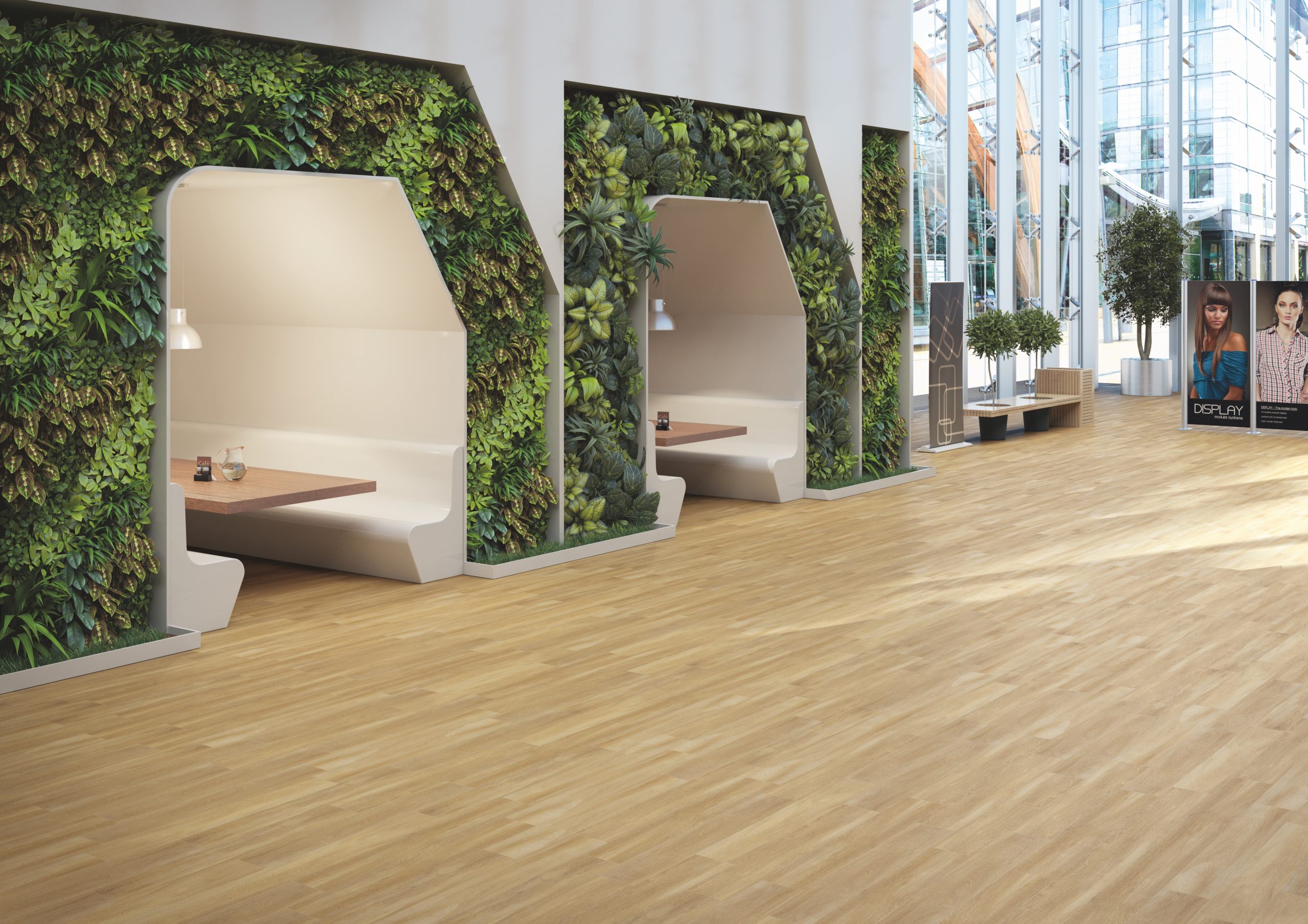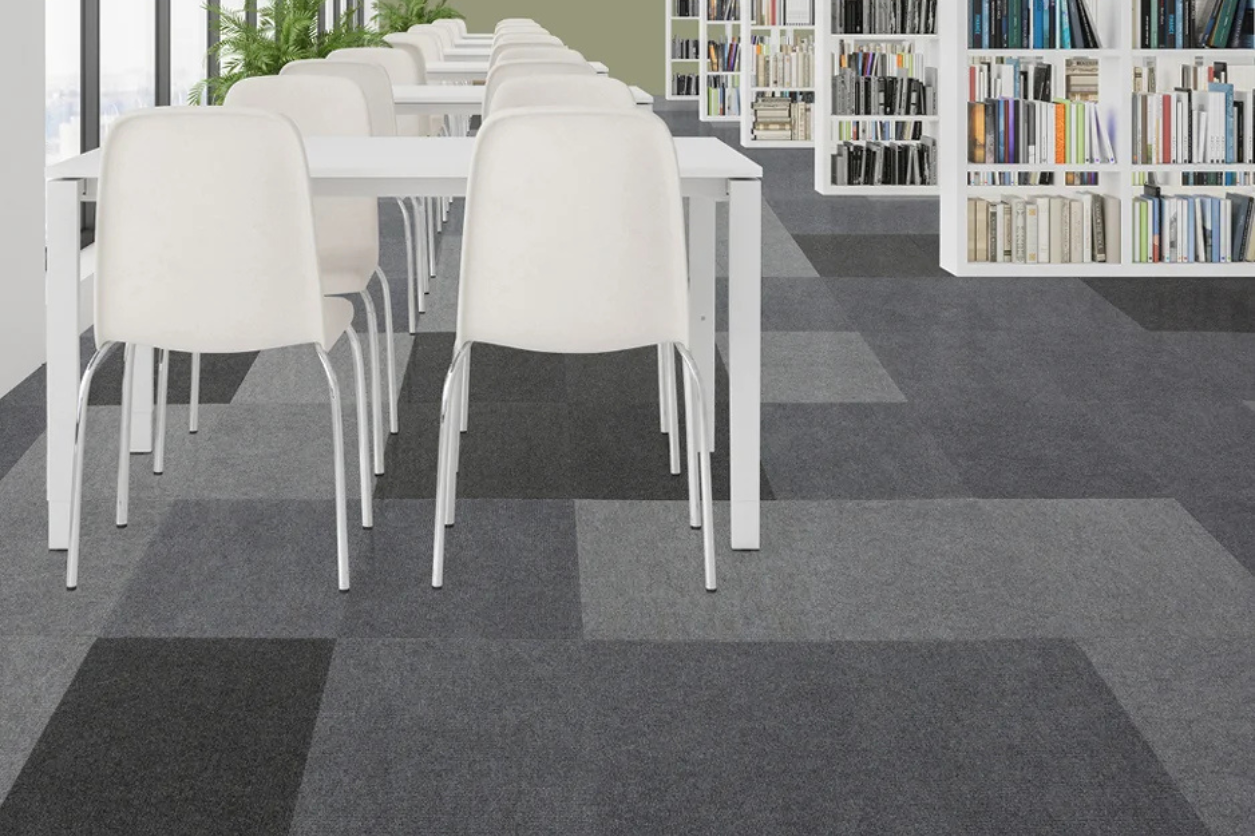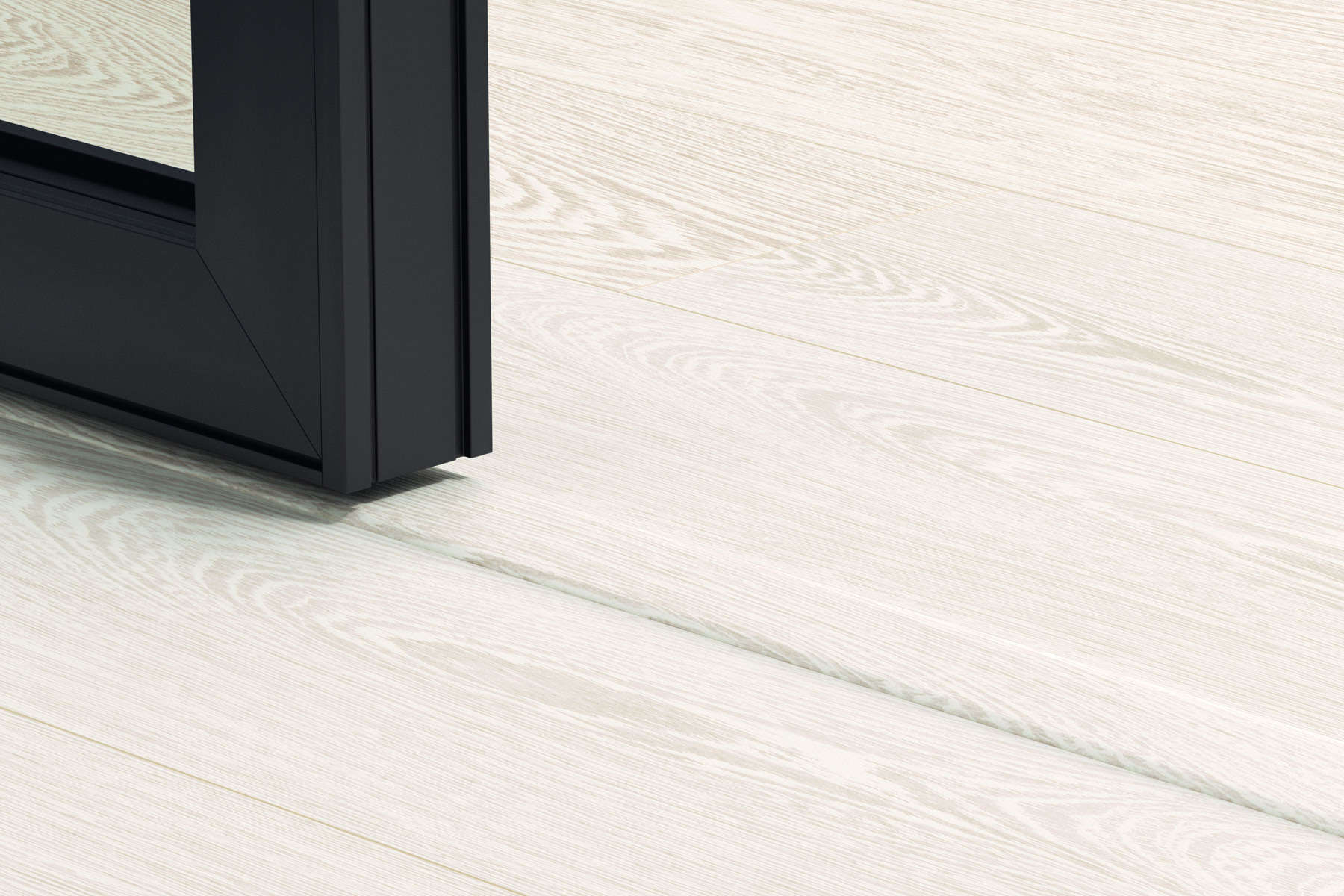
The primary consideration when it comes to choosing a type of flooring for a professional events space tends to be in terms of its look and feel, but sound can often be shaped by flooring and can be a key consideration when choosing carpet, vinyl or laminate flooring.
From the traditional beauty of herringbone parquet to more unique and expressive vinyl, carpet and flooring designs, choosing the right flooring can in many cases be a matter of aesthetics, and the best judge of the beauty of flooring styles is the eye of the beholder.
However, there are major practical considerations to choosing certain types of flooring, particularly for use in an open plan setting such as an office, convention centre or event arena, as the flooring you use will not only affect the look of a room but how it feels and, crucially, how it sounds.
The acoustic effect of various flooring types is somewhat underappreciated, and it is important to understand the various effects that your flooring can have on how sound travels and thus the ability to use a particular space for certain types of events.
Absorption And Resonance
The main question that needs to be asked when choosing a flooring type based on its acoustic properties is whether you need that sound to be dampened or enhanced.
Because of the significant surface area of your floor, particularly in larger rooms, your floor plays a significant role in how sound travels, and choosing different materials, compositions and underlay can play a huge role in the atmosphere of a venue.
There are a lot of complex factors involved but the two most important are resonance and absorption, both of which are related to how the floor reacts to sounds and impacts that cause sounds such as footsteps.
Harder floors tend to cause sounds to enhance and effectively bounce off of the floor, allowing them to carry further, whilst softer materials such as carpets tend to absorb the sound, which not only mutes it but also ensures that any nearby audio remains clear.
It is not entirely clear-cut, as sound-dampening vinyl and laminate can be used thanks to the use of enhanced underlay, but the typical principle is that softer flooring quietens the audio in a space.
Purpose Of The Space
Exactly which is best for an event will depend largely on the purpose, layout and mode of address, as each of these will make sound enhancement a strength or a hindrance.
A convention centre, for example, will often benefit or even require carpets or other forms of sound insulation, in order to dampen the sounds of footsteps and nearby conversations to ensure that groups can communicate with each other.
This is the same principle for why hardwood flooring should be avoided in call centres and open-plan offices more broadly, as the sounds of footsteps and one-sided telephone conversations cannot help but carry, causing distractions and disruptions.
On the other hand, musical performances, keynote speeches and broader assemblies benefit from the opposite characteristics. Not only does the sound carry further and thus require less powerful public address equipment, but it enhances the audio dynamics, making a venue feel more lively and energetic.
Some venues require both, and will either have separate carpeted rooms and parquet auditoriums or carpeted sections for stands and a hardwood section for presentations, assemblies or concerts to get the best of both worlds.
Venue Size
A huge consideration when it comes to flooring is the size and shape of the venue involved, as the choice of floor can stop the ambient sounds from overwhelming a small space or requiring powerful amplifiers to be properly heard throughout a venue.
Typically, smaller venues and function rooms will feature carpet as they allow for a degree of soundproofing that stops loud noises and music from being painful to hear and avoids issues with distortion, whilst larger spaces benefit from harder flooring to project audio further and avoid muffled audio at further distances.
This is not always the case, as there are a huge number of other considerations for flooring besides acoustics. Pubs and clubs, for example, will sometimes have laminate or wood flooring either to suit the aesthetics or to make them easier to clean.
By contrast, some large multipurpose convention centres will use carpet tiles and adjust the public address system they use accordingly, whilst others still have modular flooring systems that are swapped in and out depending on the needs of a particular event.