When it comes to retail, first impressions matter, and your flooring plays a bigger role than you might think. Before a customer even interacts with your products, they’ve already formed an opinion based on how your space looks and feels underfoot.
The right flooring handles foot traffic with ease, helps guide customer flow, and reinforces your brand. Here’s how to choose flooring that creates a great customer experience and encourages dwell time.
Start with your customer experience
Before weighing up materials, think about how customers move through your space.
Ask yourself:
- – Where do customers enter and exit?
- – Which areas do you want to highlight?
- – Are there natural pathways or browsing zones?
Flooring can subtly influence behaviour. For example, changing textures or patterns can help direct foot traffic, while a more premium finish in key areas can draw attention to featured products.
A well-planned floor layout both looks attractive and actively supports your sales strategy.
Prioritise durability in high-traffic areas
Retail environments see constant use, especially in entrances, tills, and main walkways. Your flooring needs to stand up to:
- – Heavy footfall
- – Dirt and debris from outside
- – Frequent cleaning
Luxury vinyl tile (LVT) is a popular choice here thanks to its durability, scratch resistance, and easy maintenance. It’s particularly effective for busy shops where appearance needs to stay consistent over time.
In areas with especially high wear, such as entrances, combining materials, such as using more robust finishes near doors, can extend the lifespan of your flooring.
Choose a flooring style that reflects your brand
Your flooring should align with your brand identity just as much as your signage or décor.
- High-end boutiques often lean towards wood-effect or stone-look finishes for a premium feel
- Modern retail spaces may opt for sleek, minimalist designs
- Family-friendly stores benefit from warmer, more inviting tones
Consider the bigger picture: if your flooring clashes with your overall aesthetic, it creates visual friction that customers notice, even if they can’t explain why.
Consider comfort and acoustics of retail flooring
Retail spaces need to look good, but should also be designed as physical environments people move through.
Hard surfaces like tile can be durable, but they may also:
- – Increase noise levels
- – Feel less comfortable over time
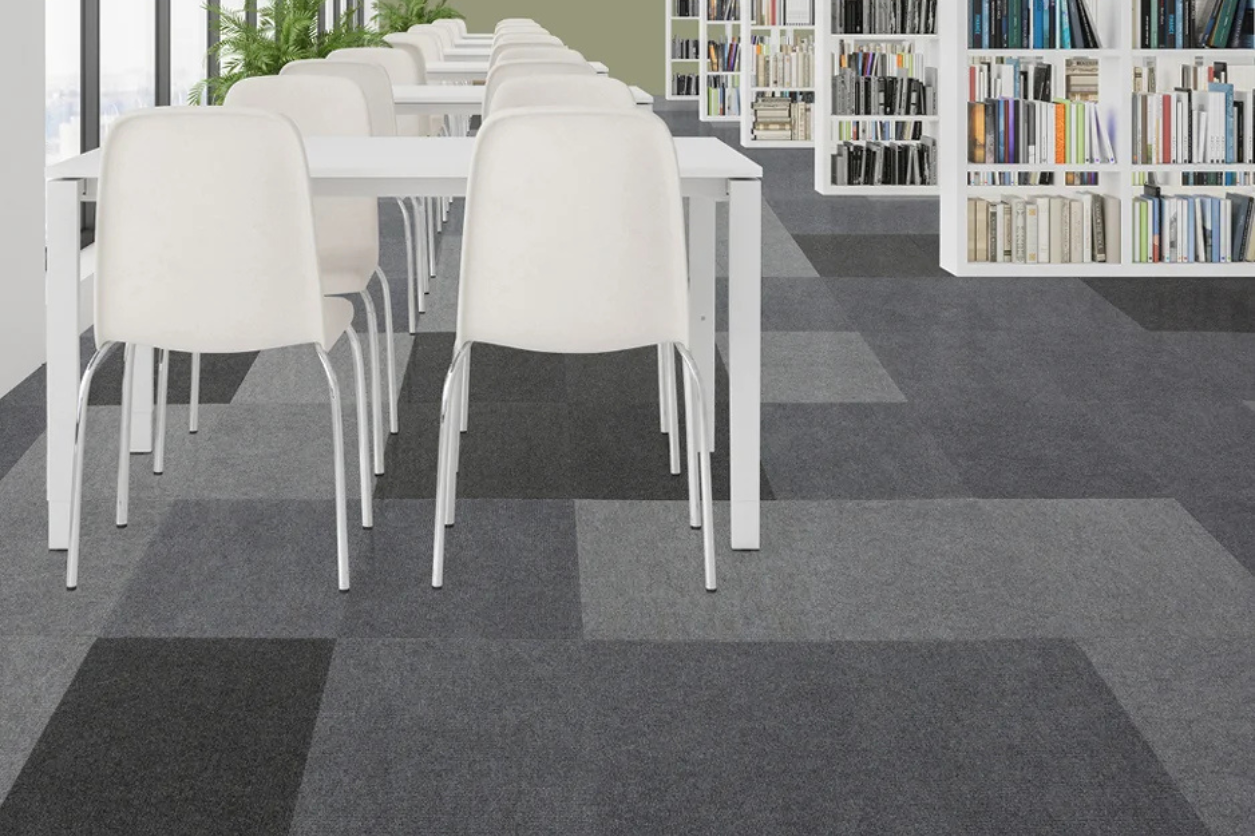
That’s where options like carpet tiles come into their own, particularly in quieter areas or fitting rooms. They help absorb sound, creating a more relaxed atmosphere, and are more comfortable underfoot for both customers and staff.
A balanced approach, combining hard flooring in high-traffic zones with softer materials in quieter areas, often delivers the best results.
Make safety a priority for retail flooring
Safety is an essential consideration in retail spaces.
Your flooring should:
- – Offer slip resistance, especially in wet conditions
- – Be suitable for regular cleaning without becoming hazardous
- – Meet relevant safety standards
This is particularly important in entrances, where water and dirt are frequently brought in from outside. Choosing slip-resistant finishes helps reduce the risk of accidents and protects both customers and your business.
Think about maintenance and longevity
Retail flooring needs to look good every day, not just on opening day.
Low-maintenance materials are key. Look for flooring that:
- – Cleans easily with standard products
- – Resists staining and wear
- – Maintains its appearance over time
While cheaper options might seem appealing upfront, they often show wear quickly in busy environments. Investing in higher-quality flooring typically reduces long-term costs by avoiding frequent repairs or replacements.
Use zoning to enhance the shopping journey
One of the most effective ways to use flooring in retail is through zoning.
By subtly changing materials, colours, or patterns, you can:
- – Highlight promotions or featured areas
- – Create clear pathways through the store
- – Separate different departments
For example, a change in flooring near a display can naturally draw the eye and encourage customers to explore further. This approach adds visual interest while also improving navigation within your space.
Don’t forget installation and downtime
Finally, consider the practical side of installation. Retail businesses often need flooring that can be installed quickly, with minimal disruption. Options like click LVT or modular systems can help reduce downtime, allowing you to keep trading or reopen sooner.
Planning installation carefully, especially outside peak trading periods, can make a significant difference.
Choosing the right flooring for a retail space involves creating an environment that attracts customers and supports your business goals, whilst remaining safe and in good condition over time.
The best solutions combine durability for high-traffic use; visual appeal that aligns with your brand; and comfort and safety for a positive customer experience.
If you have any questions or comments, please feel free to get in touch with the CVT Direct team via our Contact Us page or give us a ring on 0345 121 1234.
Browse our flooring and accessories product ranges and use the filters when searching for your new flooring and the accessories needed.