Noise is one of the biggest hidden productivity killers in modern offices. Whether it’s conversations carrying across open-plan spaces, footsteps, or chairs moving across hard floors, poor acoustics can quickly turn a workspace into a distraction-heavy environment.
If you’re looking to create a quieter, more focused office, flooring is one of the most effective places to start. Here’s how to reduce noise in your office using the right acoustic flooring approach.
Why noise is a problem in offices
Modern office design often prioritises open layouts and hard surfaces. While this can look clean and contemporary, it tends to amplify sound rather than absorb it.
Common issues include:
- – Echo and reverberation across large spaces
- – Noise travelling between desks and departments
- – Distractions from footsteps and movement
- – Reduced speech privacy in meetings or calls
Over time, this can lead to decreased concentration, lower productivity, and even increased stress levels among staff. That’s why addressing acoustics is a business decision as well as an aesthetic choice.
How flooring impacts office acoustics
Sound behaves differently depending on the surfaces it interacts with. Hard flooring materials reflect sound waves, causing noise to bounce around the room. This is what creates echo and makes spaces feel loud, even when noise levels aren’t particularly high.
In contrast, soft flooring materials such as carpet tiles absorb sound. They reduce the impact of:
- – Foot traffic
- – Dropped items
- – General movement
- – Background noise build-up
By limiting how sound travels and reflects, carpet tiles help create a more controlled and comfortable acoustic environment.
Why office carpet tiles are an effective solution
When it comes to balancing performance, flexibility, and cost, office carpet tiles stand out as one of the best acoustic flooring solutions available.
- Built-in sound absorption
Carpet tiles are specifically designed to absorb sound rather than reflect it. This helps:
- – Reduce echo in open-plan areas
- – Minimise noise transfer between workstations
- – Create a calmer overall atmosphere
This is especially valuable in busy offices where multiple conversations are happening at once.
- Reduced impact noise
Footsteps, chair movement, and everyday activity all contribute to office noise. Carpet tiles soften these impacts, significantly lowering the sound generated by movement.
This makes a noticeable difference in:
- – Corridors and walkways
- – Areas with frequent foot traffic
- – Shared workspaces
- Zoning for acoustic control
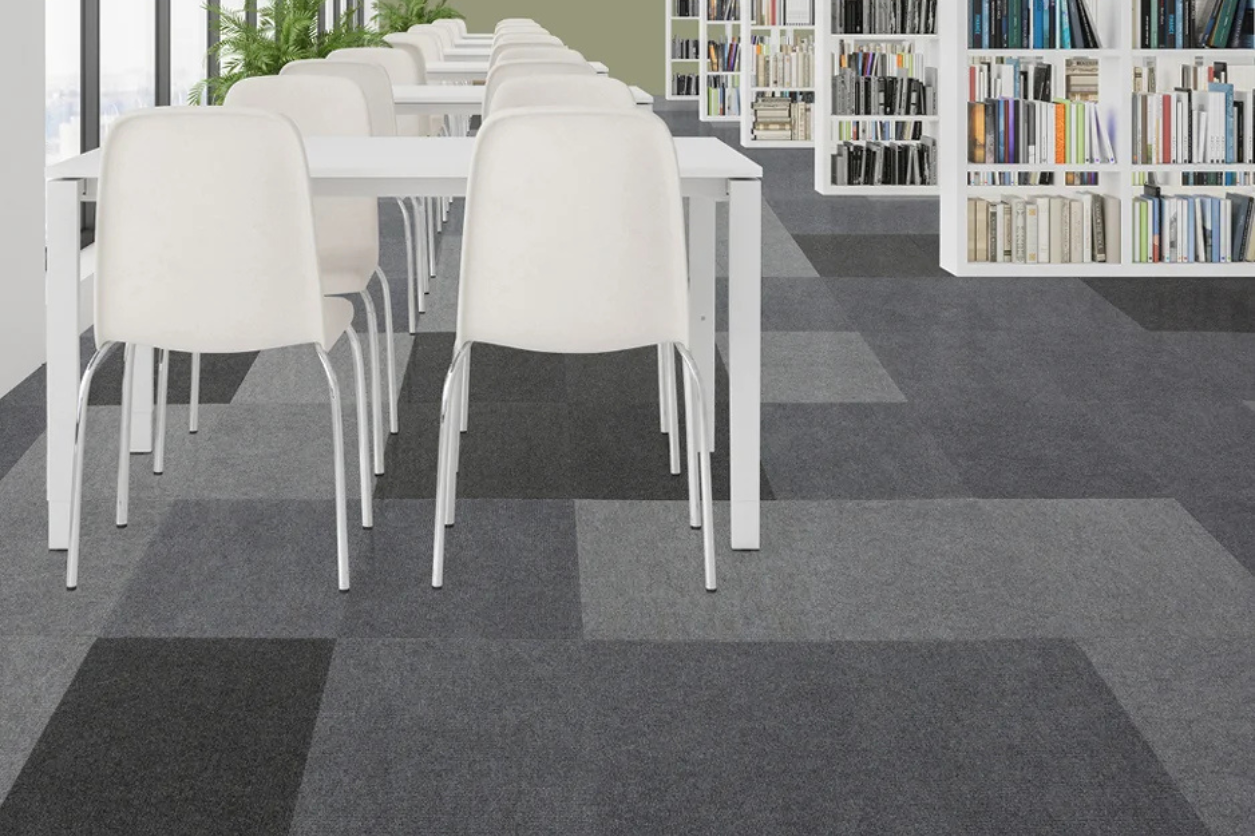
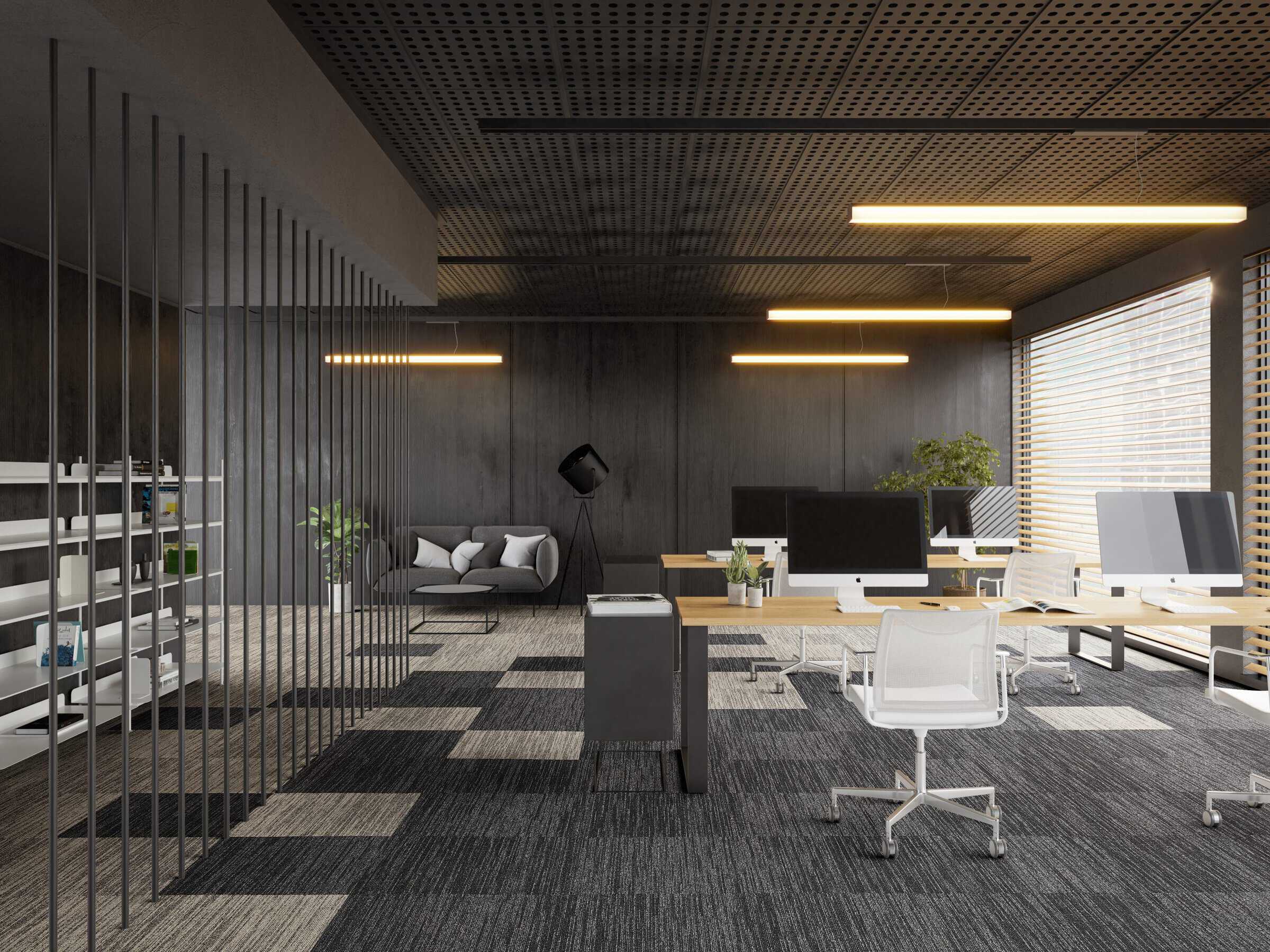
One of the biggest advantages of carpet tiles is their modular design. You can use different styles, densities, or layouts to create zones within your office.
For example:
- – Heavier, more absorbent tiles in meeting areas
- – Durable tiles in high-traffic walkways
- – Softer finishes in quiet zones
This allows you to tailor acoustic performance to how each area is used, rather than applying a one-size-fits-all solution.
- Easy maintenance and replacement
Unlike traditional carpet, carpet tiles can be replaced individually. If a section becomes worn or damaged, you don’t need to redo the entire floor.
This is particularly useful in busy offices where wear is uneven, and it helps maintain both appearance and performance over time.
Choosing the right office carpet tiles
Not all carpet tiles perform the same, so it’s worth paying attention to a few key factors:
Pile type and density
Denser, lower-pile tiles tend to offer better durability and consistent acoustic performance, especially in high-traffic areas.
Backing material
High-quality backing systems can improve both comfort underfoot and sound absorption. This also contributes to a more stable, long-lasting installation.
Acoustic ratings
Look for products with proven acoustic performance, often measured in terms of sound absorption or impact noise reduction.
Design and colour
While performance is crucial, design still matters. Carpet tiles come in a wide range of styles, allowing you to reinforce your brand while improving acoustics.
Combining flooring with other acoustic solutions
While office carpet tiles make a significant difference, the best results often come from a combined approach.
You can further reduce noise by incorporating:
- – Acoustic wall panels
- – Soft furnishings
- – Ceiling treatments
- – Partition screens
Where carpet tiles work best in offices
To get the most out of your flooring, focus on key problem areas:
- – Open-plan offices: Reduce overall noise levels and improve focus
- – Meeting rooms: Improve speech clarity and privacy
- – Corridors and walkways: Minimise impact noise from foot traffic
- – Breakout areas: Create a more relaxed, comfortable atmosphere
Using carpet tiles strategically across these spaces can transform how your office feels and functions.
If your office feels noisy, distracting, or difficult to work in, the problem often starts with your surfaces. Office carpet tiles offer a practical, effective solution, absorbing noise, reducing disruption, and creating a more productive working environment.
If you have any questions or comments, please feel free to get in touch with the CVT Direct team via our Contact Us page or give us a ring on 0345 121 1234.
Browse our flooring and accessories product ranges and use the filters when searching for your new flooring and the accessories needed.