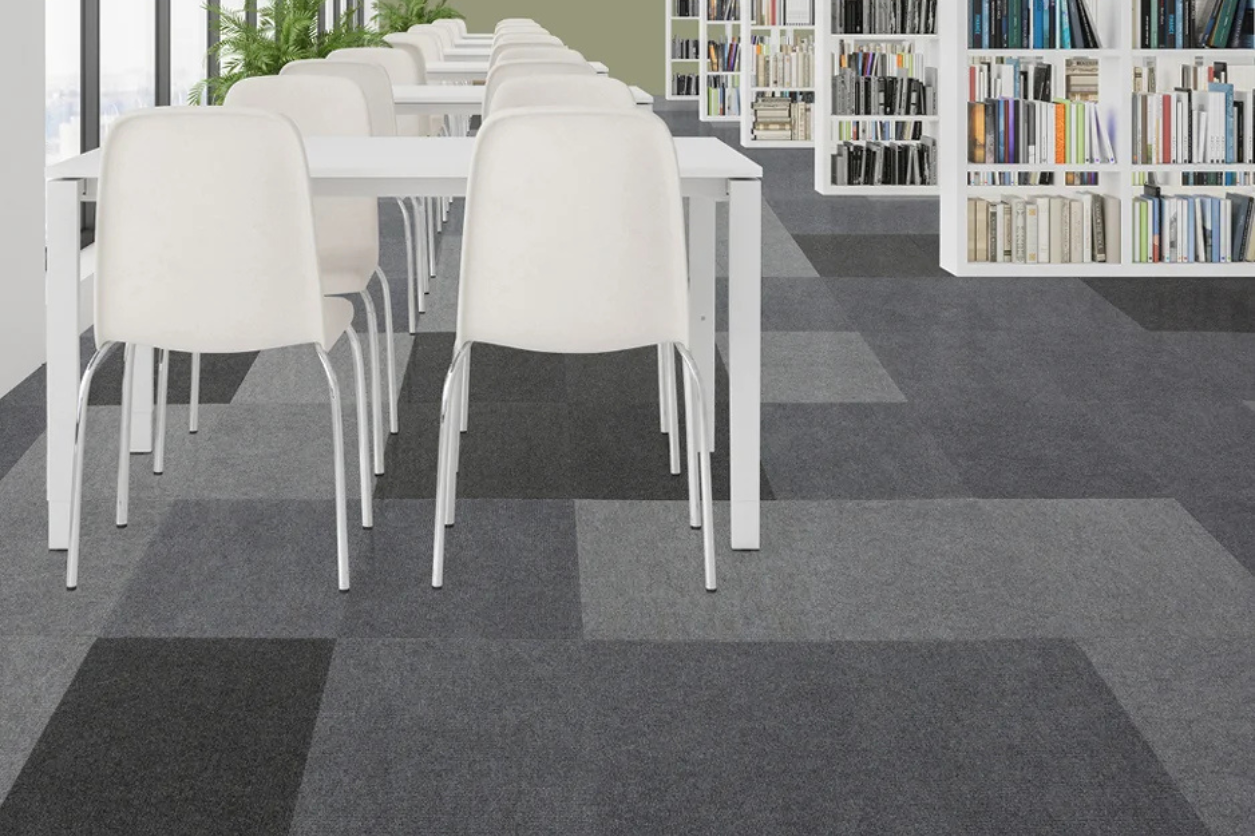
Choosing flooring can be more challenging than most people think when redecorating a room, as one question homeowners end up asking themselves is whether they should replace the entire downstairs floor to make it all look the same.
While you might have started to redesign one room with the idea of just changing that flooring, before you know it you have ripped up the kitchen, hallway, bathroom and lounge as you consider having the same style throughout the floor.
Here we look at the pros and cons of using the same flooring downstairs, which, hopefully, will make your mind up more easily.
Pros
Cohesive, uniformed look
One of the most compelling arguments for having the same floor across every room is that it creates a cohesive look.
Instead of separating the hall from the kitchen, the dining room from the lounge, and the conservatory from the playroom, you can have the same floor throughout, which makes it appear more open-plan.
This creates a seamless flow between the rooms, which gives the illusion of more space. For houses that feel small, dark or tight, this is a great option, helping to open up and connect the rooms.
Easier to design
As well as creating smooth transitions between the different areas, a big advantage of having the same flooring throughout the whole downstairs is that it makes it easier for homeowners when it comes to the design process.
Instead of having to think of a luxury vinyl tile for the bathroom, a stone floor for the kitchen, a carpet for the living room and a wooden floor for the hall, they just pick one floor that would work well in each space. This makes it much easier and quicker to think about, helping the renovation project come to life in a shorter time frame.
Reduces cost
Another reason why you might want to opt for the same flooring is that it can work out significantly cheaper than buying different products for each room.
When fitting a room, you will incur some flooring waste, but this can be used in the other areas, particularly small spaces, so you aren’t just throwing it away.
What’s more, buying a greater amount of the same flooring can work out cheaper than different types. This is especially the case if you pick a cost-effective option, such as vinyl, which will work well in all areas, thanks to being moisture-resistant and hardwearing.
Improves resale value
Homeowners who are planning to sell their house in a few years’ time might also be keen to know that having the same type of floor throughout can help them attract buyers.
This is because it is considered more appealing from prospective buyers, as well as making the downstairs appear bigger, lighter and brighter. Therefore, it could help to boost the value of the property.
In this case, it is important to pick a flooring that won’t age, such as one with a wood effect. This looks great in all areas of the house, from the kitchen to the hallway, so people coming to view the home are bound to like the look of it and will be more likely to put in a higher offer.
Similar floor needs
Unlike bedrooms, which do not see a lot of footfall, hallways and kitchens tend to have the same needs. They both have high traffic, they need to be durable, and there could be spillages or stains in either, so must be easy to wipe clean.
Floors such as LVTs (Luxury Vinyl Tiles) and stone tiles are ideal for these areas, so it might be an idea to get the same flooring laid down anyway.
Cons
Distinct areas
Some homeowners want to create distinct areas in their home, breaking up the living room from the hallway or the kitchen from the dining room.
In this case, having different floors in each space helps to make them feel more distinct from each other. This allows you to showcase your personal style with different types of flooring, instead of having just one throughout.
Different floor needs
Another argument against having the same flooring is that different rooms have varying needs. For instance, a kitchen needs a floor that is water resistant and durable, as there are likely to be lots of spillages and high moisture levels here.
On the other hand, living rooms do not always need wipe-clean floors and could be better with something soft like carpet underfoot, which is favoured by those who want their lounge to feel cosy and warm.
Bathrooms are another room that require wipe-clean, water-resistant flooring, but don’t get as much traffic as a kitchen, so you could opt for something less durable.
Replacing damaged parts
Something homeowners should consider before replacing all their downstairs flooring is that if one part of their floor becomes damaged, they might need to refit the entire floor.
While this is not a huge deal in a small room, it can end up being very costly if your entire downstairs is covered with the same flooring that is connected with each other.
In busy households where it is very easy for a drink to be spilled, a plate to be dropped or a stain to appear, this could be problematic if the entire ground floor becomes affected.
Home owners or property developers will want to experience the least disruption. Furnished homes may experience more disruption when having the whole downstairs area done at the same time.
If you have any questions or comments, please feel free to get in touch with the CVT Direct team via our Contact Us page or give us a ring on 0345 121 1234.
Browse our flooring and accessories product ranges and use the filters when searching for your new flooring and the accessories needed.