When you’re managing rental properties, flooring is not just a design choice; it’s also a financial decision. It needs to look good for viewings, withstand tenant turnover and hold up under daily wear without constant replacement.
The goal is simple: maximise durability and minimise ongoing costs. So what flooring options genuinely offer the best value for landlords?
What does best value flooring really mean for landlords?
Best value is not the cheapest upfront price. It’s the balance between purchase cost, installation cost, lifespan, maintenance and ease of replacement.
Rental properties typically experience higher wear than owner-occupied homes. Furniture gets moved more often, cleaning standards can be inconsistent, and tenant lifestyles differ. Flooring must be robust enough to handle this reality without frequent repair.
Is vinyl plank flooring a good investment for rentals?
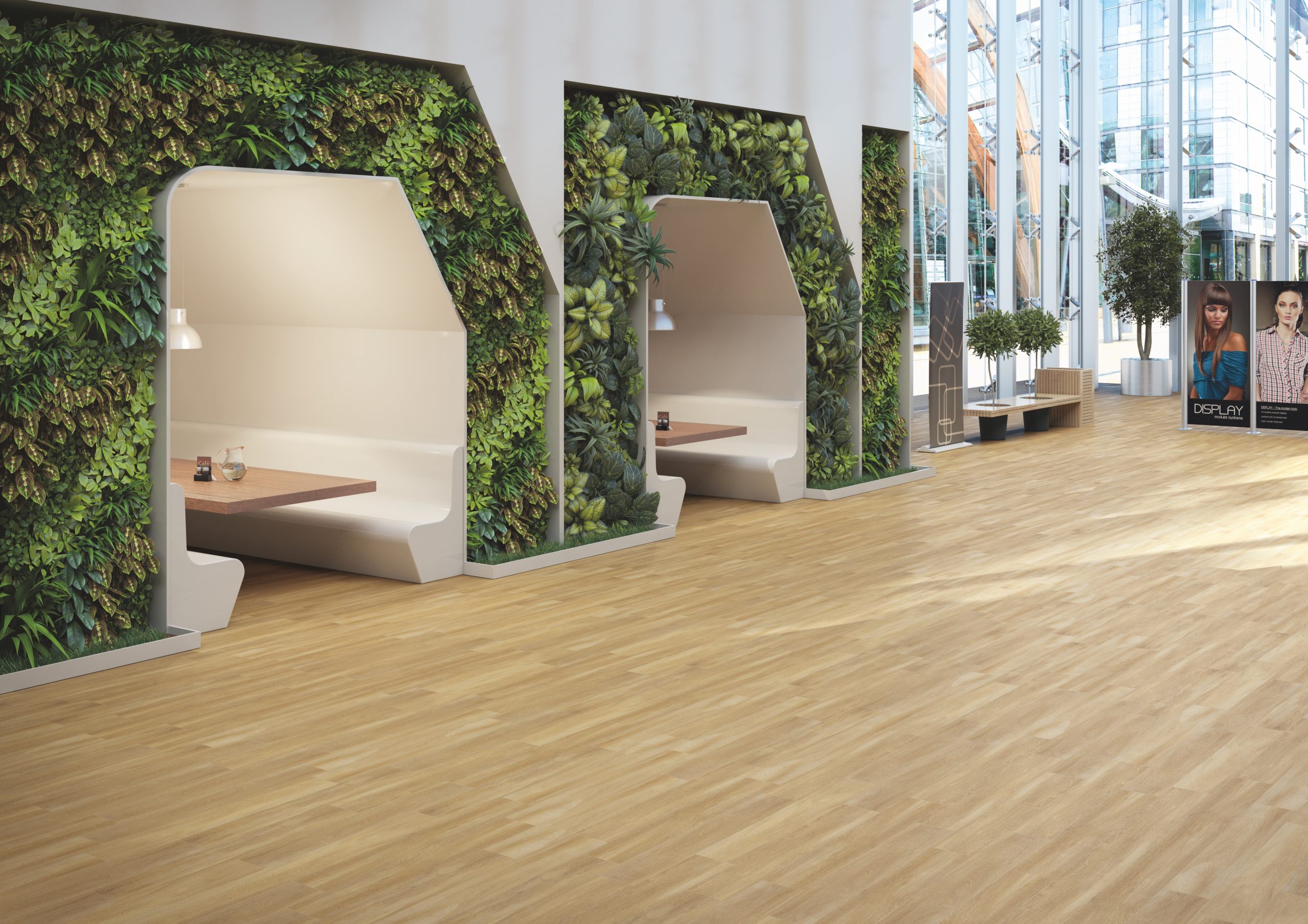
Vinyl plank flooring has become one of the strongest value options for rental properties. It offers the look of wood but with greater resistance to moisture and scratches.
For kitchens, living rooms and hallways, vinyl plank flooring performs well under heavy foot traffic. It resists spills better than traditional timber and is easier to clean between tenancies.
Many modern ranges are also click-install systems, which can reduce installation time and labour costs. From a landlord’s perspective, that combination of durability, appearance and straightforward replacement makes vinyl plank flooring a reliable long-term choice.
Are vinyl floor tiles better for certain areas of rental homes?
Vinyl floor tiles are particularly practical in bathrooms, utility rooms and smaller kitchens. Their water resistance makes them ideal for spaces where spills and humidity are common.
Another advantage is modular replacement. If a tile is damaged, it can often be replaced individually without lifting the entire floor. That matters in rentals, where isolated damage is more common than widespread failure.
For landlords managing multiple properties, standardising vinyl floor tiles across units can also simplify maintenance and stock control.
Do carpet tiles make sense in rental homes?
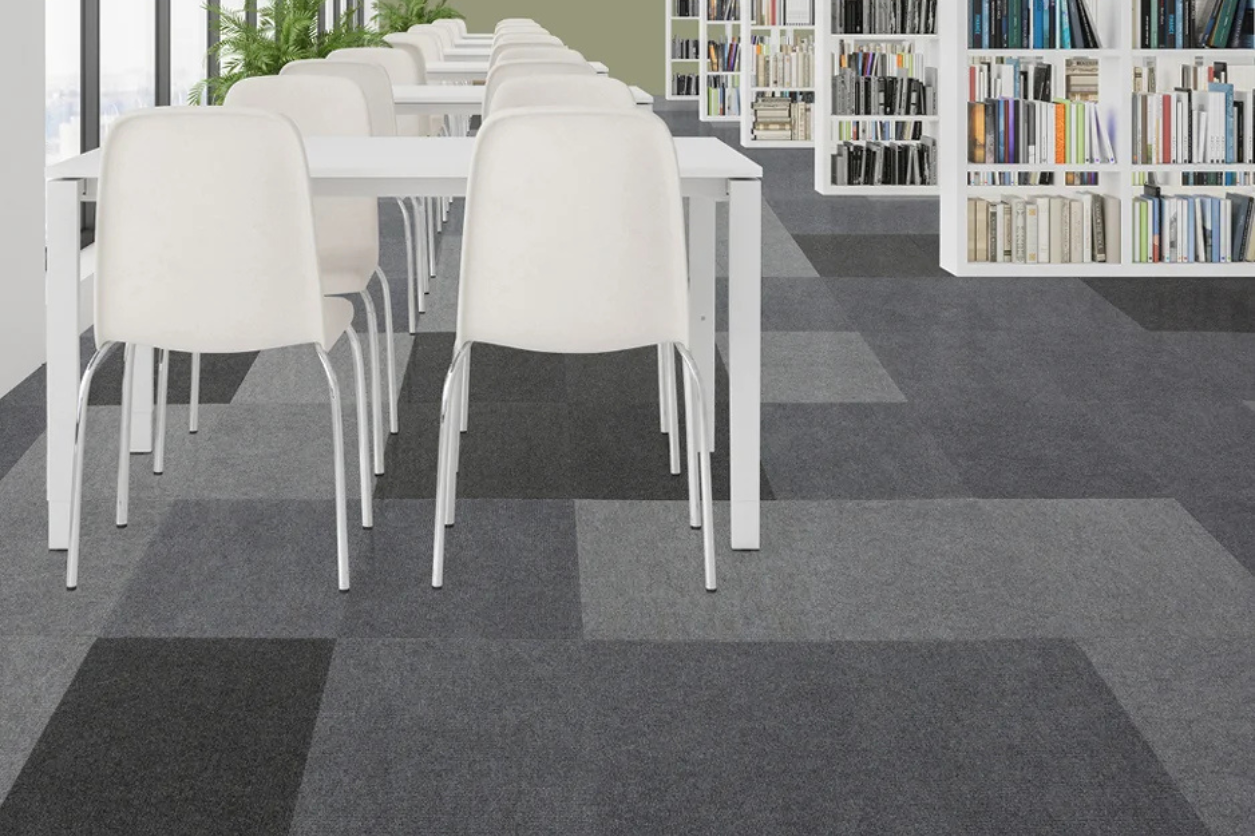
Carpet tiles are often associated with commercial spaces, but they can offer strong value in certain residential rentals, particularly HMOs or student lets.
The biggest advantage is replaceability. If a single section is stained or damaged, it can be swapped out rather than replacing the whole carpet. That dramatically reduces refurbishment costs between tenants.
Carpet tiles also allow for phased upgrades. A landlord can replace high-traffic areas first and rotate tiles from lower-traffic zones if needed. For properties where cost control is critical, this flexibility is a genuine benefit.
How important is flooring durability over aesthetics?
In rental properties, durability should lead the decision. Neutral, hard-wearing finishes tend to outperform trend-led choices over time.
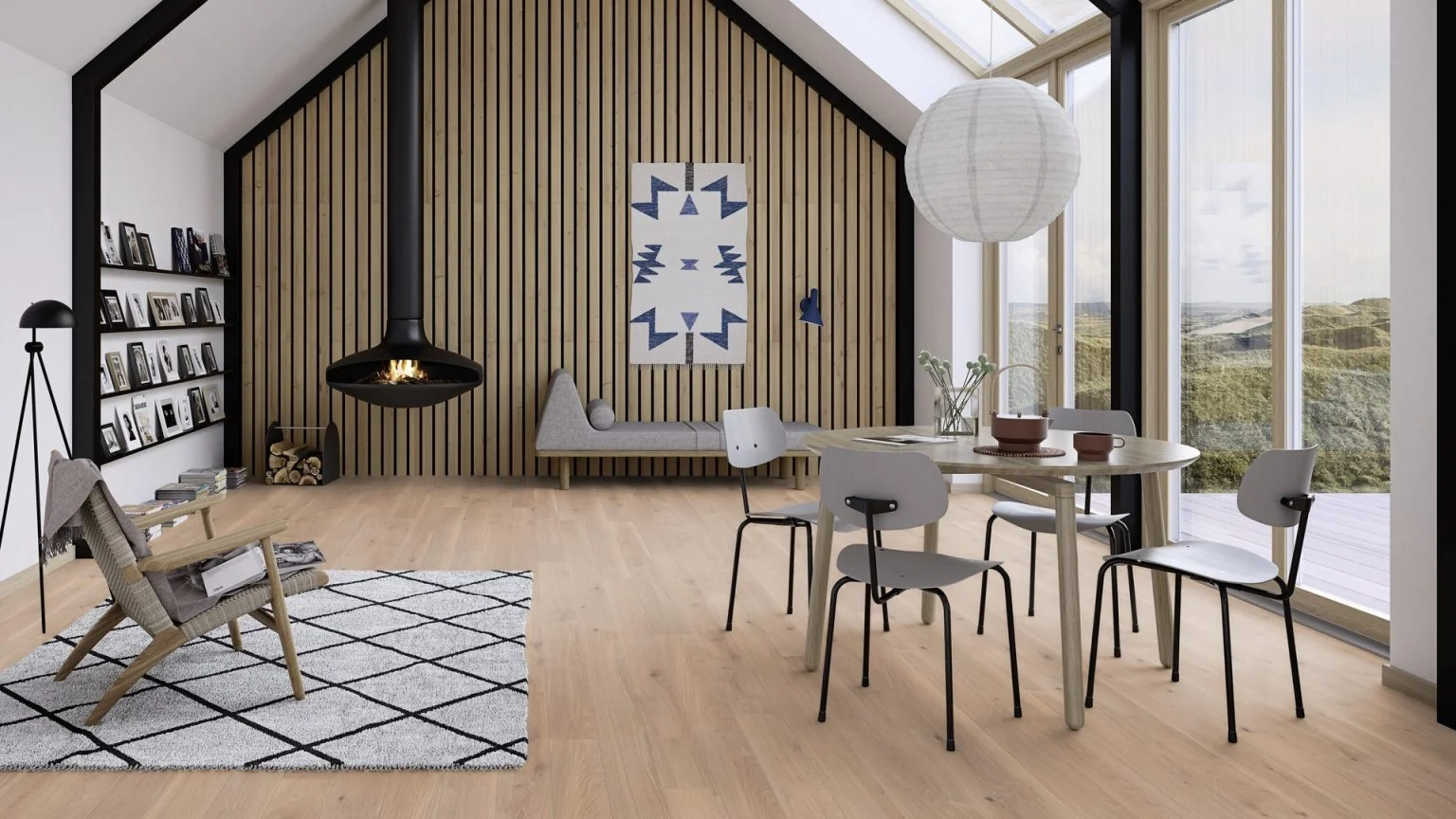
Vinyl plank flooring in natural wood tones appeals to a broad range of tenants and hides minor scuffs better than very light or very dark options. Similarly, mid-tone vinyl floor tiles can disguise dirt between cleans.
A floor that still looks acceptable after several years of wear delivers far better value than one that needs replacing after every tenancy.
Should landlords prioritise water resistance in flooring?
Water damage is one of the most common issues in rental properties. Spills, leaks and condensation can quickly ruin unsuitable flooring.
Vinyl-based options offer strong resistance to moisture, making them safer choices for kitchens, bathrooms and ground-floor properties. Even in living areas, added water resistance reduces risk during tenant turnover and cleaning.
When you reduce the likelihood of swelling, warping or staining, you reduce unexpected replacement costs.
How does ease of installation affect flooring value?
Installation time directly impacts void periods. The faster a property can be refurbished, the sooner it can be re-let.
Click-fit vinyl plank flooring and modular vinyl floor tiles are often quicker to install than traditional glued-down systems. This speed can make a noticeable difference when managing multiple properties or tight turnaround times.
In addition, easier installation can mean lower labour costs, especially for landlords working with repeat contractors.
How important are ease of flooring maintenance and cleaning?
Low-maintenance flooring saves money over the long term. Smooth vinyl surfaces are easy to mop and sanitise, helping properties look fresh for new tenants.
Carpet tiles can be individually cleaned or replaced, which is often more economical than deep-cleaning full broadloom carpets after heavy use. Choosing flooring that requires minimal specialist treatment keeps ongoing maintenance predictable and affordable.
For rental properties, the best value flooring is practical, resilient and easy to maintain. Vinyl plank flooring, vinyl floor tiles and, in some cases, carpet tiles all offer strong returns when chosen with long-term performance in mind.
If you have any questions or comments, please feel free to get in touch with the CVT Direct team via our Contact Us page or give us a ring on 0345 121 1234.
Browse our flooring and accessories product ranges and use the filters when searching for your new flooring and the accessories needed.