For allergy sufferers, the wrong flooring can make everyday life uncomfortable. Dust, pollen, pet dander, and other allergens often settle into floors and get stirred back into the air with daily activity.
In many cases, choosing the right flooring can significantly reduce these triggers and help create a cleaner, healthier indoor environment. If you’re selecting flooring for an allergy-prone household or workspace, here’s what you need to know.
Why flooring choice matters for allergies
Flooring plays a bigger role in air quality than many people realise. Some materials trap allergens and hold onto them, while others make it easier to remove dust and debris through regular cleaning.
The goal isn’t just to avoid allergens altogether – that’s nearly impossible – but to minimise build-up and make cleaning as effective as possible.
Best flooring options for allergy sufferers
1. Luxury vinyl tiles (LVT)
Luxury vinyl floor tiles are one of the best choices for allergy sufferers, particularly in busy homes and commercial settings.
Why they work:
- Smooth, sealed surface prevents allergens from becoming trapped
- Easy to clean with simple sweeping and mopping
- Resistant to moisture, helping reduce mould growth
- Durable enough for high-traffic areas
2. Vinyl sheet flooring
Vinyl sheet flooring offers similar benefits to LVT but with even fewer seams, making it especially effective in preventing allergen build-up.
Key benefits:
- Minimal joints where dust can accumulate
- Hygienic and easy to maintain
- Suitable for kitchens, healthcare environments, and commercial spaces
For anyone highly sensitive to allergens, fewer seams can mean fewer places for irritants to hide.
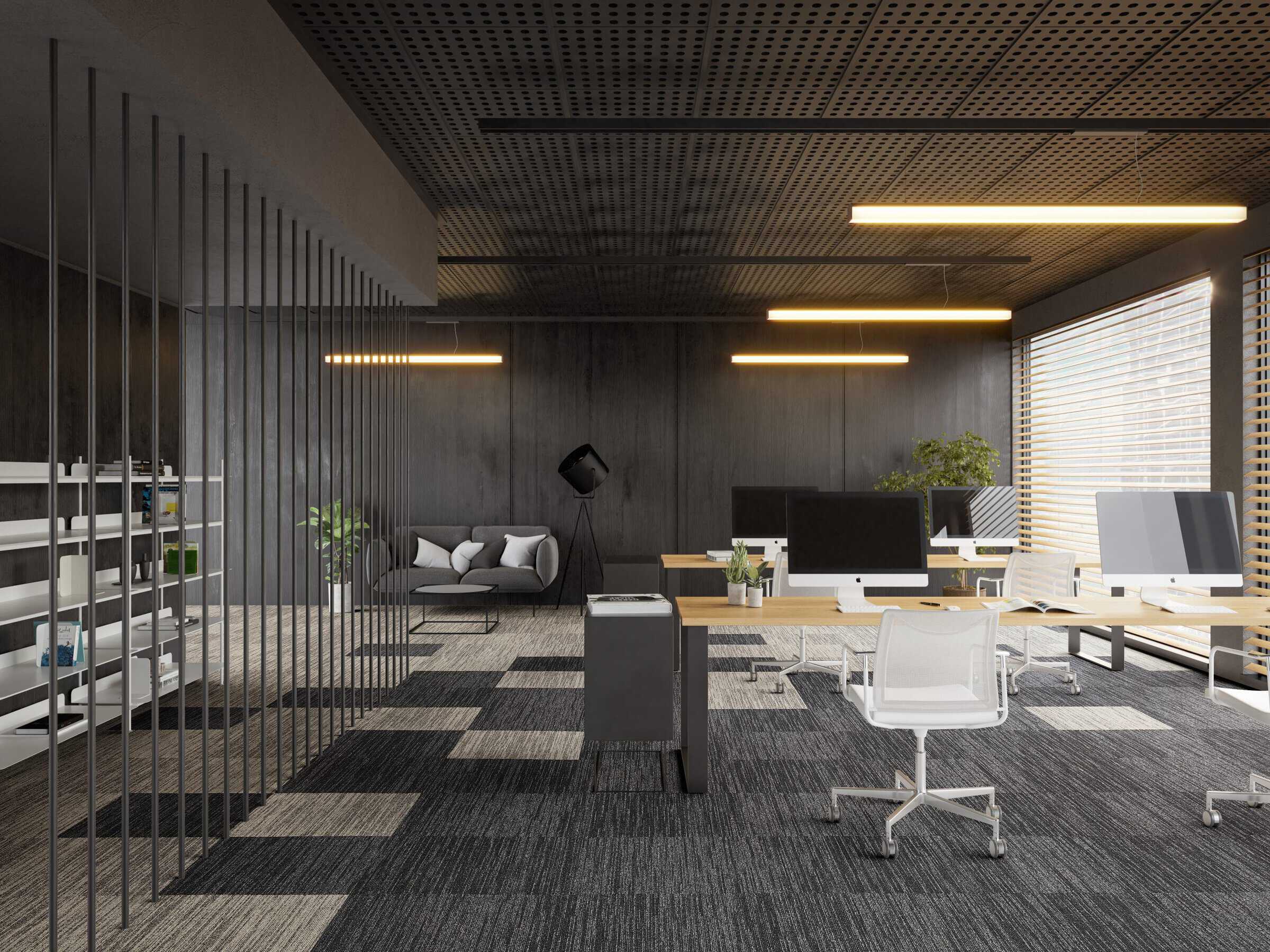
3. Carpet tiles (with the right specification)
Carpet often gets a bad reputation when it comes to allergies, but modern carpet tiles can actually be a smart option when chosen carefully.
Why carpet tiles can work:
- They trap allergens, preventing them from circulating in the air
- Individual tiles can be replaced if heavily soiled
- Designed for easy maintenance in commercial environments
The key is selecting low-pile, tightly woven carpet tiles rather than deep, plush styles. These are far less likely to hold onto dust long-term and are much easier to clean effectively.
Flooring options to approach with caution for allergies
Not all flooring performs equally well for allergy sufferers. While some materials may seem practical, they can introduce challenges if not maintained properly.
For example, flooring with deep textures, heavy fibres, or multiple joints can create spaces where dust and allergens accumulate. If cleaning is difficult or inconsistent, these materials may worsen symptoms over time.
Key allergen control flooring features to look for
When choosing flooring with allergies in mind, focus on these essential characteristics:
- Easy to clean – Smooth surfaces or low-pile materials make regular cleaning more effective.
- Low allergen retention – Avoid flooring that traps and holds dust deep within fibres.
- Moisture resistance – Helps prevent mould and mildew, which can trigger allergic reactions.
- Durability – Worn or damaged flooring can harbour more dirt and become harder to clean.
Maintenance matters just as much as material
Even the best flooring won’t help if it isn’t maintained properly. Consistent cleaning is essential for controlling allergens.
Simple tips:
- Vacuum regularly using a HEPA-filter vacuum
- Mop hard surfaces frequently to remove fine dust
- Replace or clean heavily used carpet tiles when needed
- Use entrance matting to reduce dirt being brought indoors
A well-maintained floor can dramatically improve indoor air quality, regardless of the material.
The role of entrance matting
One often overlooked solution is entrance matting systems. These help capture dirt, pollen, and debris before they spread throughout the building.
For both homes and commercial spaces, effective matting can significantly reduce the amount of allergens that reach your main flooring, making everything easier to manage.
The best flooring for allergy sufferers is ultimately about control and cleanliness. Materials like LVT and vinyl sheet flooring offer smooth, hygienic surfaces that are easy to maintain, while modern carpet tiles can also perform well when specified correctly.
If you’re looking to create a healthier indoor space, focus on flooring that:
- Minimises allergen build-up
- Supports easy, regular cleaning
- Stands up to daily wear without degrading
Make the right choice, and your flooring won’t just look good; it will actively contribute to a more comfortable, breathable environment.
If you have any questions or comments, please feel free to get in touch with the CVT Direct team via our Contact Us page or give us a ring on 0345 121 1234.
Browse our flooring and accessories product ranges and use the filters when searching for your new flooring and the accessories needed.