In business, the weight of tradition is always balanced against the advantages of evolution, and one place where this is being increasingly seen is with how offices, retail stores and other commercial spaces are fitting and maintaining carpets.
For decades, the main convention has been to fit wall-to-wall carpet rolls, specially cut to fit and typically replaced wholesale when it is time for the building to be refreshed. However, a rising number of companies have opted for versatile carpet tiles instead.
Whilst far from a new invention, with the first carpets such as the Pazyryk Rug being carpet tiles by design rather than a wall-to-wall roll, more recent generations of tiled carpets offer many, if not most of the same benefits as carpet rolls but turn their weaknesses into strengths.
If your business has needed to constantly refurbish or replace carpets in high-traffic areas, is it time for not only a change of carpet but a change of approach? Here are some reasons why you should make the switch.
Much Easier Installation
The first and perhaps most obvious reason is that tiled carpets are much easier to add to a room in the first place.
They are often designed as modular, sectional pieces that are laid out tile by tile and typically fastened together.
This gives them the strength and anti-slip qualities of a professionally installed carpet roll but with a far easier installation, to the point that some small offices can install it themselves and homeowners can more easily use them in DIY projects.
Tiled carpets are also much easier to transport into buildings, with ease of access using lifts helping to save precious time… another key benefit!
Can Be Replaced Without Disruption
The biggest issue with carpet rolls, particularly in high-traffic areas such as shops, is that they are often quite hard to replace without spending a significant amount of time doing so, often meaning that carpets will receive rudimentary fixes rather than the replacement and professional care they need.
This can cause professional buildings to look dishevelled, haggard and far from presentable, and can sometimes shape the experience of consumers and clients entirely.
In one expose by Ian Lyall from Proactive on the closure of WH Smith’s high street retail business, the shop’s infamously run-down carpets were described as a symbol of a former retail giant in a state of serious decline.
Whilst tiled carpets would not have been a panacea for fundamental issues with the company’s retail business, at least they would have looked fantastic and been so easy to replace without closing the shop or disrupting equipment that needs to remain on at all times.
Better Long-Term Value
One of the reasons why people might have chosen carpet rolls in the past is because they are in many cases cheaper by volume, particularly since the price of the carpet itself is often separated from the cost of the underlay and the installation.
However, this cost is somewhat offset by more expensive repair and refurbishment costs, particularly since the carpets in high-traffic areas will wear down unevenly.
By contrast, carpet tiles can be replaced where they are needed without affecting the rest of the flooring. This means that repairs and replacements are quicker and significantly cheaper since the rest of the carpet that is otherwise unaffected can remain in situ.
Greater Design Versatility
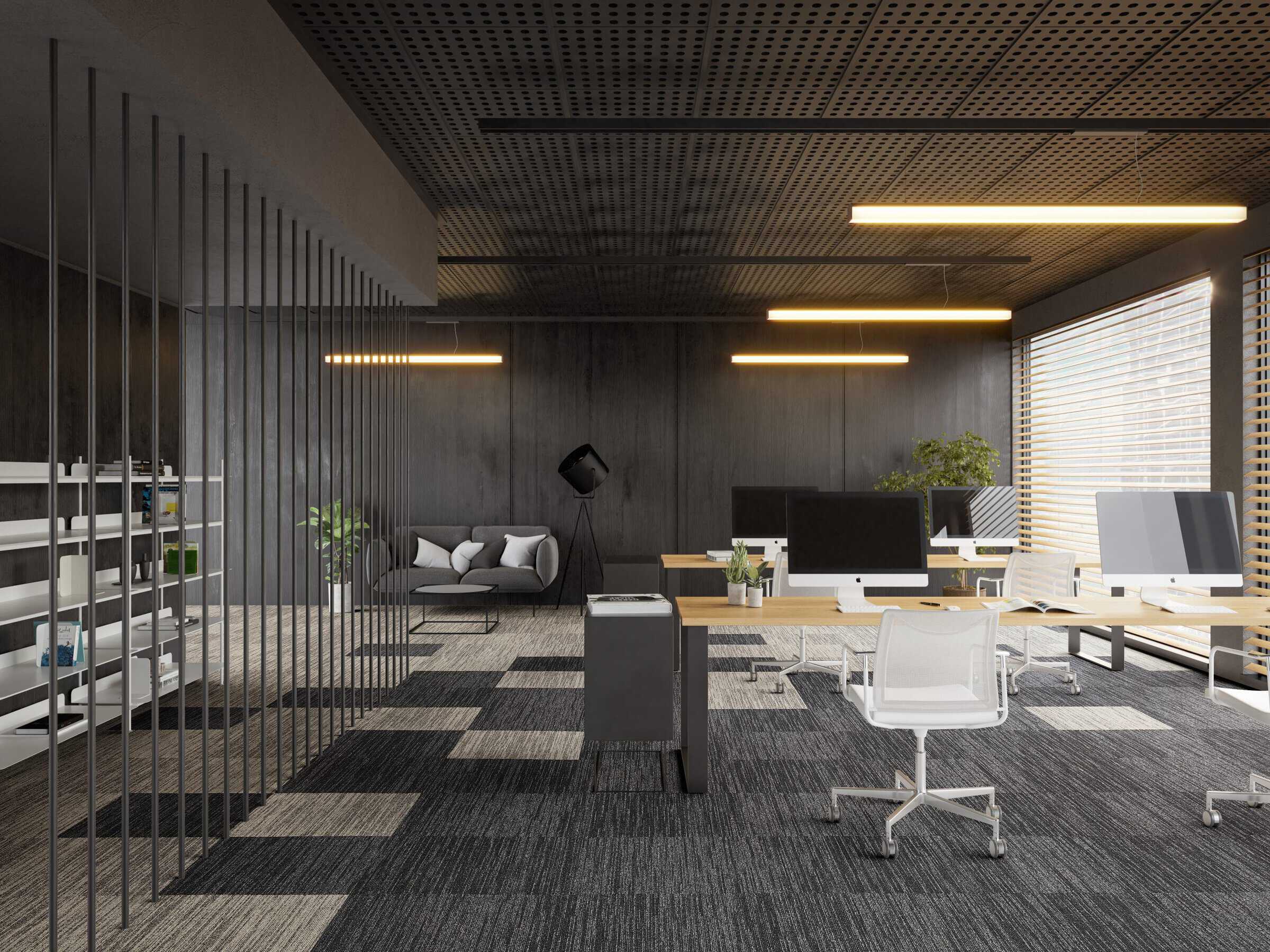
A lot of people like tiled and chequerboard designs, or mixing and matching different styles to create mosaic-style patterns that fit the style of the business best.
Whilst there are some carpet rolls which replicate common chequerboard patterns, carpet tiles allow building managers much greater leeway to design the carpet patterns they want based on the overall goals of the building environment.
It is also easier to alter and change designs compared to a carpet roll, so if a carpet does not meet the aesthetic needs of a retailer, it is far easier to make amendments.
As well as this, with more modern design sensibilities and open plan designs, carpet tiles can be used more creatively to create partition-less sections of offices, shops and other larger rooms.
Contributes To A Healthier Building Environment
Ultimately, tiled carpets contribute to a more comfortable and healthier building environment than carpet rolls, partly due to the ability to replace pieces that would otherwise get damaged, stained or filled with potentially harmful pathogens.
Carpet tiles are designed to be easy to clean, long-lasting and easy to replace when they are worn out, but as well as this, they are also designed to make open-plan environments more comfortable.
Their robust design makes them absorb more sound than other forms of carpet, something which is vital in high-traffic open-plan environments where extensive noise can be particularly distracting.
Furthermore, carpet tiles are a sustainable option as they’re often made from recycled content, making them very appealing to interior designers, as well as making it easier to reuse and recycle them at the end of their life cycle.