When you’re choosing flooring for a high-traffic area, the stakes are higher than simply choosing a colour or pattern you like.
High-traffic spaces demand flooring that can handle constant footfall, resist scuffs, cope with moisture, perform well acoustically, and still look great several years down the line.
But with so many flooring types on the market and so much conflicting advice online, how do you choose the right option? This guide breaks down the key considerations.
What counts as a high-traffic area?
Before choosing any flooring, it’s important to understand what “high traffic” actually means for your space. A school corridor will face very different pressure compared to a family kitchen. High-traffic areas typically include:
- Commercial offices
- Retail stores and showrooms
- Reception areas
- Corridors and stairways
- Restaurants and cafés
- Hotel hallways
- Busy kitchens and open-plan living spaces
- Healthcare and public buildings
These areas experience continuous movement, meaning durability, stability, and ease of maintenance become the top priorities.
Which performance features matter most for heavy duty flooring?
To choose flooring that truly lasts, you’ll want to evaluate products based on the following criteria:
Durability and wear layer strength
In commercial settings, durability ratings such as AC levels (abrasion criteria) and wear layer thickness determine how well your flooring will hold up against daily impact.
In domestic spaces, thicker wear layers and rigid core structures help prevent dents, scratches, and long-term wear patterns.
Moisture resistance
High-traffic areas often bring moisture with them: rain coming in from outside, spills in cafés, or regular cleaning cycles in public buildings. Waterproof or water-resistant flooring makes maintenance easier and extends the product’s lifespan.
Safety and slip resistance
Especially important in commercial settings, choosing flooring with the correct slip rating reduces risk and keeps your environment compliant with safety standards.
Acoustic comfort
In busy offices, apartment buildings, and educational settings, sound absorption matters. The right flooring can significantly reduce noise pollution and improve comfort for everyone using the space.
Ease of cleaning and maintenance
High-traffic floors need to be cleaned regularly, so materials that are resistant to stains, easy to mop, and not damaged by frequent cleaning products are ideal.
Which flooring materials work best in heavy-use environments?
Different materials perform better depending on the type of traffic your space experiences. Here are the strongest options for both domestic and commercial high-traffic areas.
Luxury Vinyl Tiles: A versatile, high-performance solution
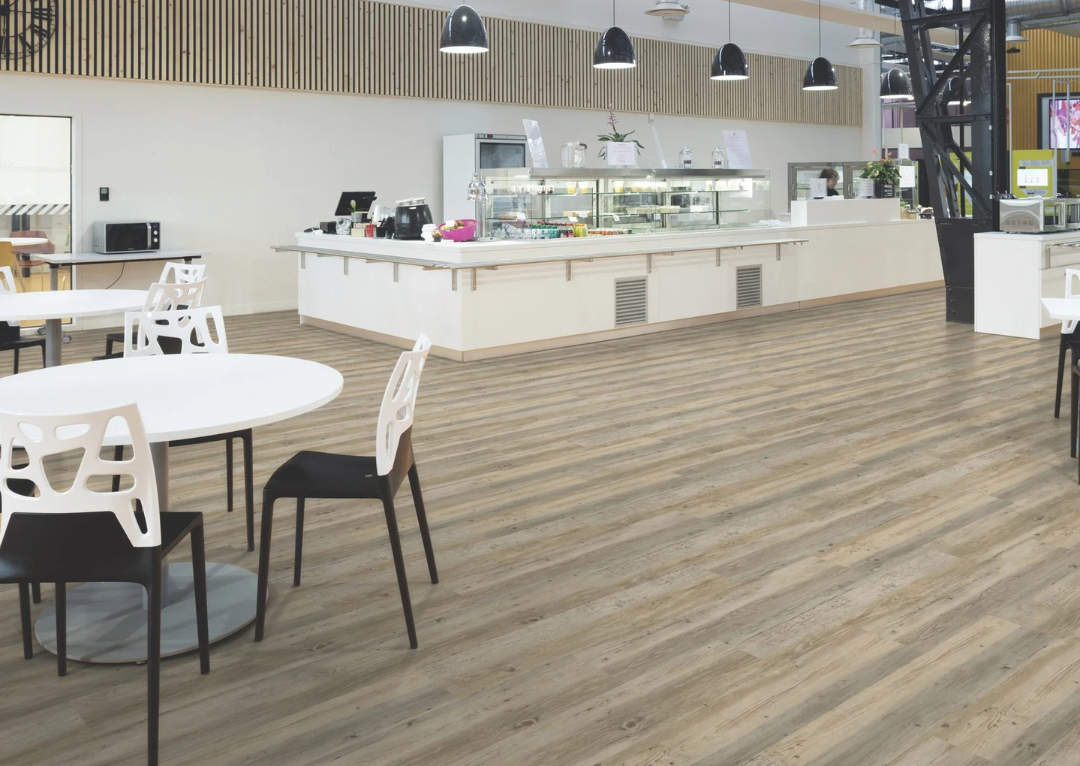
Luxury vinyl floor tiles (LVT) remains one of the best choices for heavy-use areas due to its combination of durability, waterproof structure, and design flexibility.
Available in wood, stone, and tile effects, LVT delivers a premium look without the maintenance demands of natural materials.
Why LVT works well in high-traffic areas:
- Strong, thick wear layers
- Waterproof and easy to clean
- Comfortable underfoot
- Available in glue-down and click-fit formats
- Compatible with underfloor heating
- Suitable for commercial and domestic interiors
LVT is particularly popular in retail spaces, restaurants, and family kitchens.
Carpet tiles: A practical and sustainable choice for commercial spaces
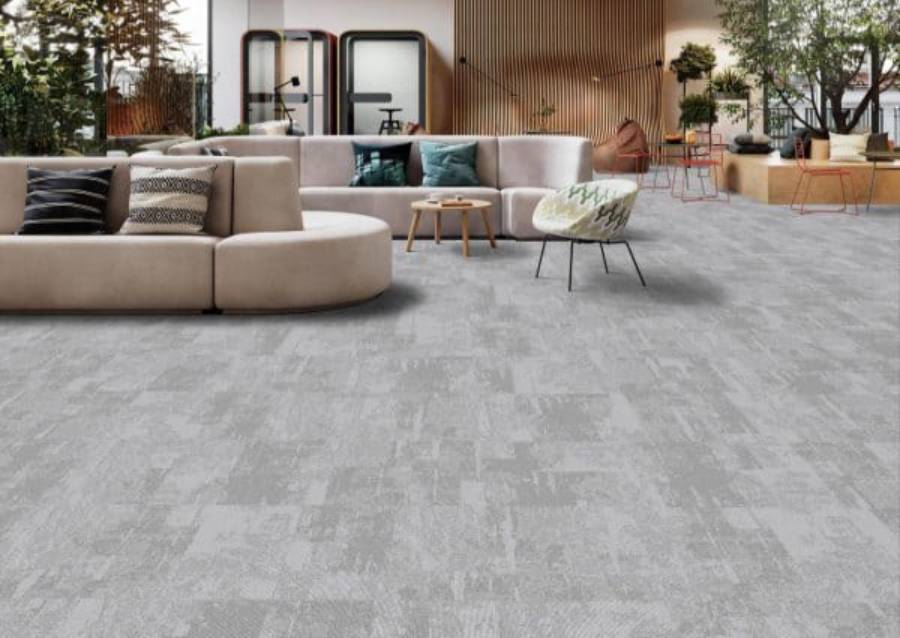
Carpet tiles are a longstanding favourite for offices, educational spaces, and public buildings, not to mention increasingly popular in modern homes.
Why choose carpet tiles for high-traffic areas?
- Excellent acoustic performance
- Soft, comfortable underfoot
- Modular design means damaged tiles can be replaced individually
- Available in endless colours and patterns
- Ideal for office layouts, meeting rooms, corridors, and reception areas
Carpet tiles offer a great balance between comfort and resilience, especially when noise reduction is a priority.
Engineered wood: best for domestic high-traffic living spaces
While solid wood is prone to warping and scratching, engineered wood offers greater stability and resilience. It’s a strong choice for busy domestic areas like hallways, kitchens, and open-plan living spaces.
Advantages of engineered wood:
- Real-wood top layer for a premium look
- More stable than solid wood
- Works with underfloor heating
- Long lifespan with correct maintenance
This is an excellent choice for homeowners wanting timeless style without sacrificing durability.
How do you make the right final decision?
Start by assessing your space:
- How many people use it daily?
- Is noise an issue?
- Are spills likely?
- Do you want a natural or modern look?
- Do you need the flooring to be fully waterproof?
Once you understand your requirements, comparing wear layers, slip ratings, and core structures becomes much easier. Choosing a trusted online flooring supplier that partners with world-leading manufacturers helps guarantee long-term performance and value.
If you have any questions or comments, please feel free to get in touch with the CVT Direct team via our Contact Us page or give us a ring on 0345 121 1234.
Browse our flooring and accessories product ranges and use the filters when searching for your new flooring and the accessories needed.