Noise is one of the biggest, and most underestimated, factors affecting comfort, productivity and wellbeing in both homes and workplaces.
Whether it’s neighbours above you, footsteps echoing around an open-plan office, or children thundering around upstairs, unwanted noise travels quickly through the wrong flooring.
But can the right flooring choices genuinely reduce it? Yes, and depending on the material, underlay and installation method, your floor can become one of the most effective sound-control solutions in a building.
In this guide, we break down the types of noise you’re trying to control, which flooring products work best, and what accessories can improve acoustic performance even further.
What types of noise are we actually trying to reduce?
Before choosing a noise-reducing flooring option, it helps to understand the two main types of sound you’re dealing with:
Impact noise
This includes footsteps, dropped items, moving furniture, and vibrations. It travels through the floor structure and is especially common in apartments and offices with hard flooring.
Airborne noise
Voices, music, TVs, office chatter, printers and phones fall into this category. Airborne noise moves through walls and floors and can easily cause distractions in open-plan spaces.
Good flooring should be able to reduce both, and the right combination of materials and underlay makes a huge difference.
Which flooring options reduce noise the best?
Not all flooring materials are equal when it comes to sound absorption. Here are the top options for quieter living and working environments:
Carpet tiles: the silent hero of office spaces
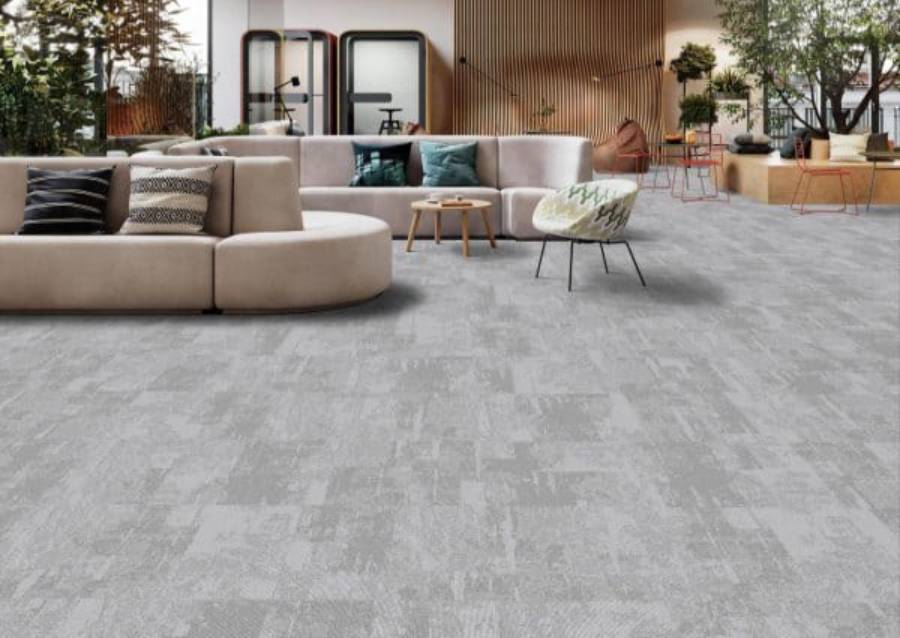
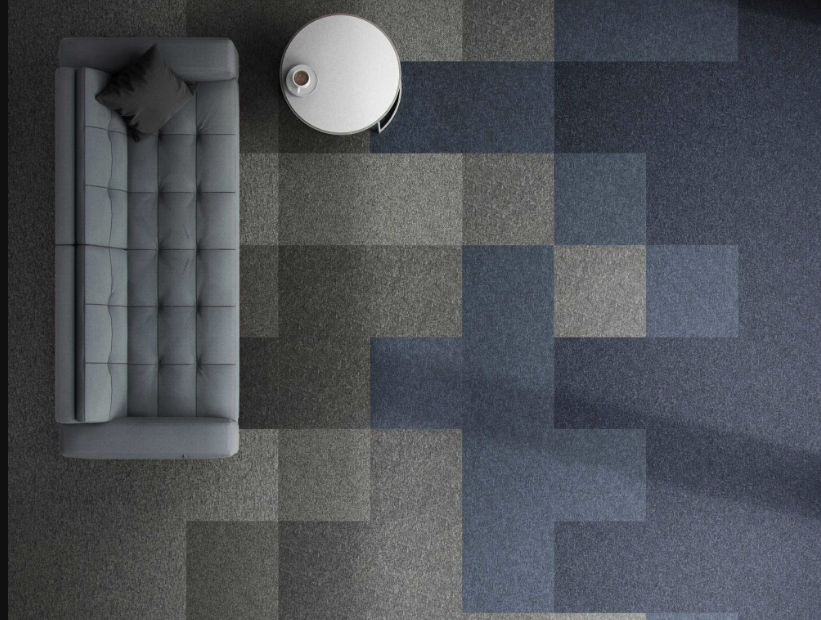
Carpet tiles are one of the most effective sound-reducing flooring solutions available, especially in commercial settings.
Why they perform well:
- Excellent at absorbing airborne and impact noise
- Easy to replace tile-by-tile if damaged
- Available with cushion backing for improved acoustic performance
- Ideal for open-plan offices, co-working spaces, schools and reception areas
Because they naturally soften footsteps and reduce echo, carpet tiles help create a calmer workspace without compromising on style. Importantly, they outperform laminate flooring in office environments, and are more practical for long-term commercial use.
Acoustic underlay: a must-have for any flooring type
Underlay often matters more than the floor itself. The right acoustic underlay can dramatically reduce noise transfer through the structure.
Benefits of acoustic underlay include:
- Reducing impact noise by up to 35 – 40 dB depending on the product
- Improving comfort underfoot
- Helping uneven floors feel more stable
- Working with carpet, LVT, engineered wood, and hybrid floors
Modern acoustic underlays come in rubber, felt, foam, or fibreboard options, each designed for specific performance levels and budgets.
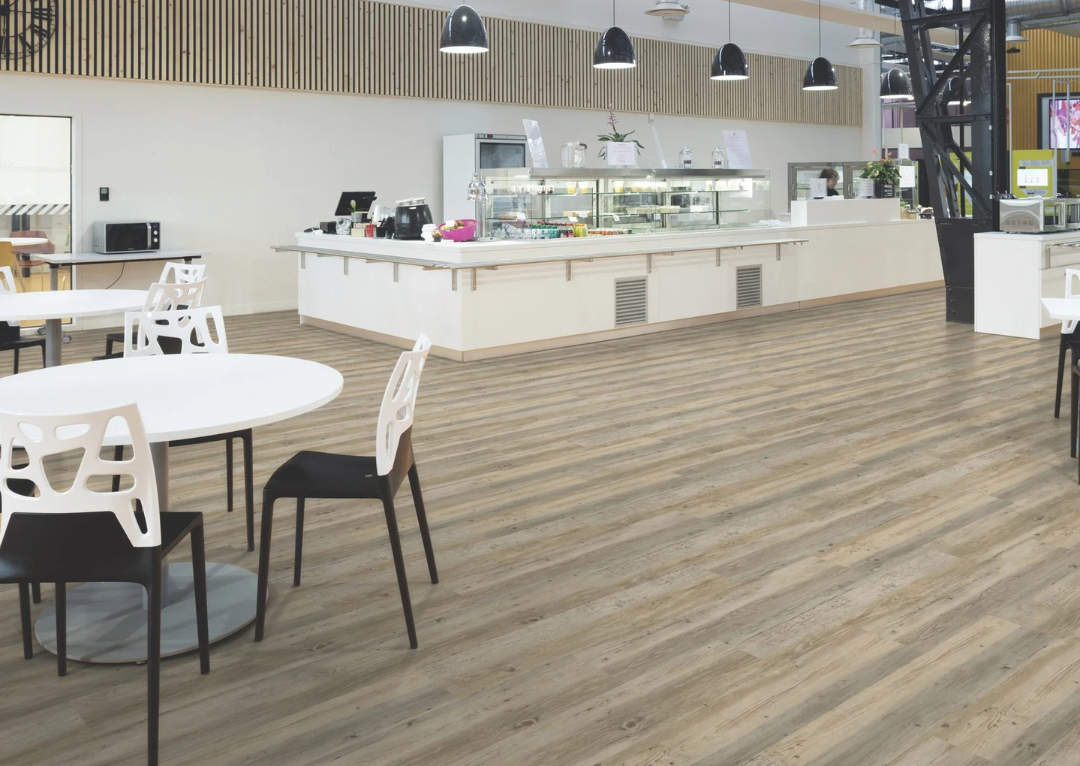
Luxury Vinyl Tile (LVT): quiet, stylish and commercial-grade
Luxury Vinyl Tile (LVT) flooring is popular in both domestic and commercial sectors. It’s known for durability and water resistance, but is also naturally quieter than wood or tile.
Why LVT helps reduce noise:
- Built-in sound-reducing layers on click-system planks
- Softer underfoot compared to traditional hard flooring
- Less echo than wood or ceramic
- Compatible with acoustic underlays for extra performance
Does ceramic or stone flooring provide good sound insulation?
Ceramic and stone tiles are beautiful, but they are naturally loud. However, in commercial or luxury residential settings where tiles are desired, you can still improve acoustic performance using:
- Sound-insulating tile backer boards
- High-performance underlayments
- Soft furnishings and rugs to absorb airborne noise
They’ll never be as quiet as LVT or carpet tiles, but smart installation can reduce the worst of the acoustics.
Which flooring accessories improve acoustic performance?
To maximise sound reduction, pair your flooring with the right accessories:
- Door bars and thresholds to prevent sound leakage between rooms
- High-density underlays specifically designed for upstairs rooms
- Acoustic sealant around the perimeter of the room
- Sound-reducing adhesives for glue-down commercial installations
These little additions create a more complete sound-insulating system.
So, can flooring really reduce noise?
Flooring plays a major role in acoustic comfort. Carpet tiles offer outstanding performance in offices. LVT provides durability and quieter footsteps. Acoustic underlay can transform even basic flooring into a sound-reducing solution.
Whether you’re upgrading a home, apartment, office or commercial space, investing in noise-reducing flooring is one of the most effective ways to create a calmer, more comfortable environment.
If you have any questions or comments, please feel free to get in touch with the CVT Direct team via our Contact Us page or give us a ring on 0345 121 1234.
Browse our flooring and accessories product ranges and use the filters when searching for your new flooring and the accessories needed.