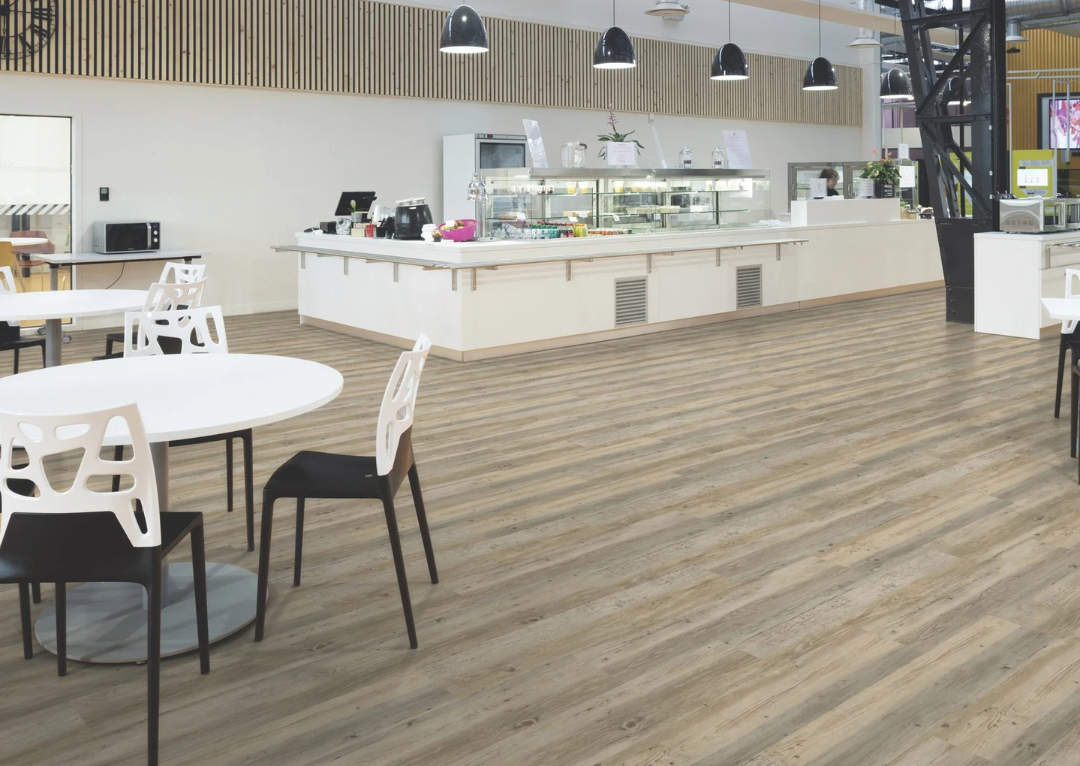
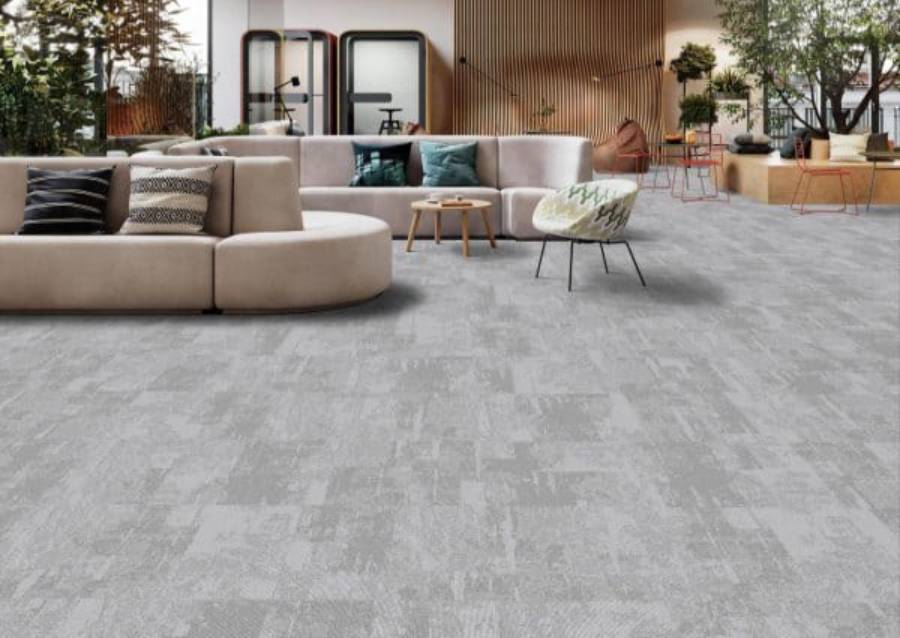
Choosing the right restaurant carpet is about far more than appearance. In a busy hospitality environment, flooring has to work hard every day: coping with foot traffic, spillages, noise, cleaning regimes and safety regulations.
Of course, all this needs to be achieved without compromising the atmosphere you want to create for your customers. If you’re planning a refresh in January or fitting out a new venue, getting this decision right early will save time, money and headaches later.
Below, we break down the key factors that matter when selecting a restaurant carpet that meets safety standards and performs well long term.
Why is flooring safety so important in restaurants?
Restaurants are high-risk environments when it comes to slips, trips and falls. Spilled drinks, food debris and frequent cleaning can all make flooring hazardous if it’s not fit for purpose. That’s why safety should always come before style.
A suitable restaurant carpet should:
- Offer slip resistance, even when damp
- Remain stable under heavy foot traffic
- Reduce trip hazards at joins and transitions
- Comply with UK commercial flooring standards
Choosing a carpet specifically designed for hospitality use is critical: domestic carpets simply aren’t built for this level of demand.
What safety standards should restaurant carpets meet?
When assessing restaurant carpet options, look for products that meet or exceed recognised commercial standards. Key things to check include:
- Fire resistance: Carpets should meet UK fire safety regulations, typically Class Bfl-s1 or equivalent.
- Slip resistance: While carpets are generally safer than hard floors, the backing and pile structure still matter, especially in bar and service areas.
- Durability ratings: Commercial-use classifications indicate suitability for heavy traffic environments.
- Secure installation: Carpet tiles or professionally fitted broadloom carpets reduce movement and lifting at edges.
Reputable manufacturers and suppliers will clearly state compliance, making it easier to choose with confidence.
Is carpet tile flooring better than broadloom for restaurants?
For many restaurants, carpet tile flooring is the most practical solution.
Carpet tiles offer several safety and operational advantages:
- Easy replacement if a tile becomes damaged or stained
- Reduced downtime, as repairs don’t require refitting the entire floor
- Consistent performance in high-traffic zones
- Secure installation, minimising the risk of movement or curling
That said, broadloom carpet can still work well in dining areas where a seamless, luxurious look is important, provided it’s designed for commercial hospitality use and installed correctly.
How do you balance style and safety in restaurant flooring?
A common concern is that safety-focused flooring will look boring or industrial. Thankfully, that’s no longer the case.
Modern restaurant carpet designs allow you to:
- Use patterns and textures that disguise spills and wear
- Zone spaces visually (bar, dining, waiting areas)
- Create a warm, inviting atmosphere without sacrificing performance
Darker tones, flecked patterns and textured finishes are particularly effective in busy hospitality settings, helping maintain a clean appearance between deep cleans.
What are the cleaning and maintenance considerations for restaurant carpet?
Safety doesn’t stop at installation; ongoing maintenance plays a big role too.
A good restaurant carpet should:
- Be compatible with regular vacuuming and extraction cleaning
- Resist staining from food and drink
- Dry quickly after cleaning to reduce slip risk
- Maintain pile integrity over time
Carpet tiles again score highly here, as individual tiles can be lifted, cleaned or replaced without shutting down large areas of the restaurant.
Can the right restaurant carpet improve acoustics?
Yes, and this is often overlooked. Restaurants can quickly become noisy, which affects customer experience and staff comfort. Carpet naturally absorbs sound, reducing echo and background noise far more effectively than hard flooring.
Choosing the right restaurant carpet can:
- Improve speech clarity
- Create a more relaxed dining atmosphere
- Reduce overall noise levels during busy service
This is particularly important in open-plan restaurants, bars and cafés.
Is January a good time to install new restaurant carpet?
January is one of the best times to upgrade restaurant flooring. Many venues experience quieter periods after Christmas, making it easier to schedule installation with minimal disruption. It’s also a good time to plan refurbishments ahead of spring and summer trading.
Ordering early in the year can also give you access to better availability and pricing from leading manufacturers.
Choosing with confidence
The right restaurant carpet should protect your customers and staff, support your daily operations and enhance the look and feel of your space. By focusing on safety standards, durability, maintenance and design, you’ll make an investment that pays off long term.
If you have any questions or comments, please feel free to get in touch with the CVT Direct team via our Contact Us page or give us a ring on 0345 121 1234.
Browse our flooring and accessories product ranges and use the filters when searching for your new flooring and the accessories needed.