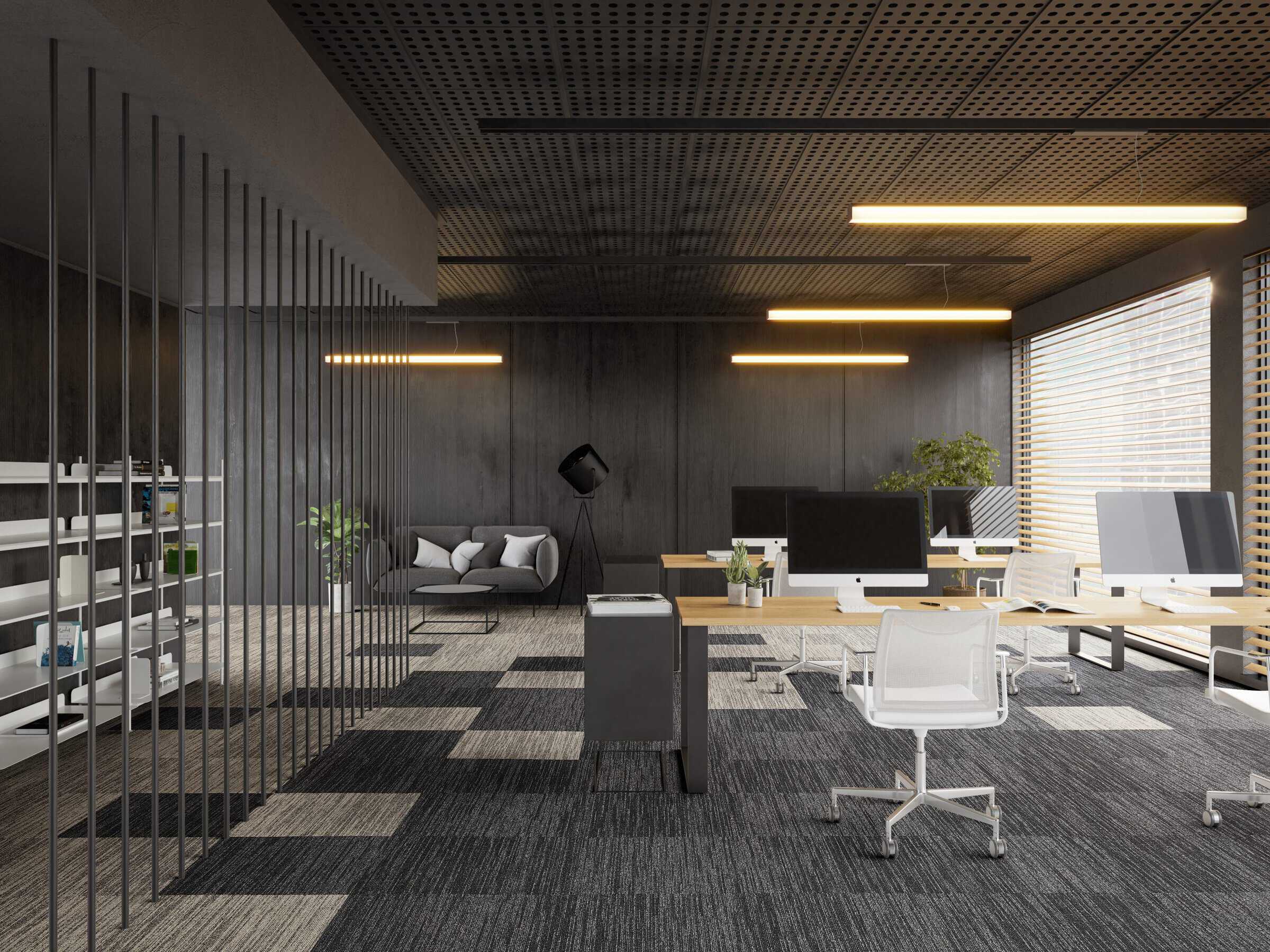
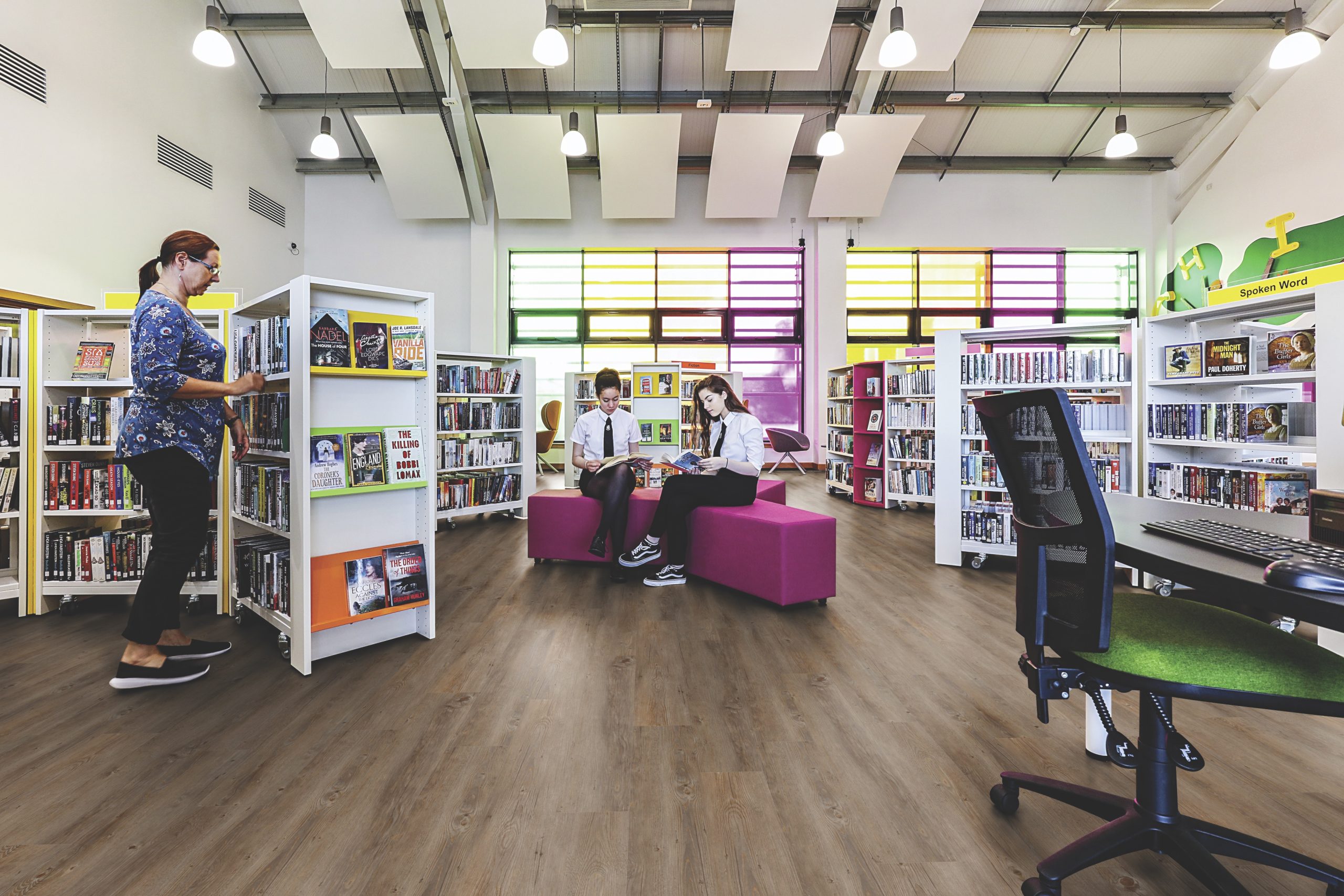
In modern times, carpet tiles are thought of as dependable, beautiful and comfortable floor coverings, used for a variety of purposes depending on the type of carpet and the type of room they are fitted in.
From reliable low-pile carpets that can be easily cleaned and replaced as needed, to luxurious soft rugs more suited to Jayne Mansfield’s Pink Palace, floor coverings can be used for a wide variety of purposes in practically every type of room you can imagine.
However, whilst we associate carpets with floor coverings today to the point that the two terms are interchangeable, this was not always the case, and the concept of a carpet actually being fitted onto the floor is a surprisingly new concept.
The reasons why this is the case are both practical and cultural in origin.
Too Precious To Be Trampled
Carpets are one of the world’s oldest textile traditions, and whilst an astonishingly preserved carpet tile has been dated to the 5th century BC, there are some fragments of carpets centuries older than even this.
The core principle of spinning and weaving is known to have been practised for nearly 8000 years and was used to make rather rough floor coverings and mats to protect people from rough dirt and stone floors.
However, whilst the concept of floor coverings has millennia of history, the use of carpets for that purpose is far more recent in origin, generally believed to have started around the 17th century, at least in Europe.
Part of the reason for this comes down to a matter of simple practicality; carpets were for a very long time exceedingly expensive.
They were generally painstakingly made by hand by people who were masters of their craft amidst a range of different textile traditions throughout Asia.
This meant that early carpets were ornate, fragile and typically imported along the Silk Road, meaning that they were very valuable and desirable.
As a result of this, many carpets were used not to cover floors but to cover walls, tables and doorways, the rare material too precious to be trampled underfoot.
The only exceptions to this were carpets laid in religious buildings and royal palaces, which people still take extreme care to avoid stepping on.
For as long as carpet-making traditions were based around imported carpets and beautiful rugs and tapestries made in very similar traditions such as England’s Opus Anglicanum, which typically used velvet and linen as the base with gold and silver thread to provide the detail.
For centuries the main floor coverings were designed to be disposable and protect the wood underneath, with straw being the primary floor covering used for centuries.
This began to change in the 1600s as carpet manufacturing started to develop a base in France and later England, which laid the foundations for a textile industry that was rapidly increasing in size and scope.
The reason for its rapid spread was caused by both the innovation of the French carpet guild and French Royal history.
After Louis XIV, a very well-known lover of carpets and textiles, revoked the Edict of Nantes, French Huguenots who were part of the carpet guild fled the country to nearby England and Germany, where they took their talents, skills and specialist knowledge with them.
A major step in this process was the introduction of the Brussels loom, which made the town of Wilton in Wiltshire the centre of the carpet-making world by being the first loom that allowed for the mechanical weaving of pile carpets.
Whilst at the start of the century the concept of laying a carpet on the floor would be seen as the height of opulent hubris, by the start of the 18th century the carpet manufacturing industry had reached a point where it was not simply royalty who could afford to fit and maintain carpets in their homes.
By the mid-19th century, a 28th of the wool produced in the United Kingdom was being used to make carpets, and with the development of the power loom, that number would only increase.
The development of more hard-wearing textiles helped in this process, and carpets became increasingly practical in the wake of the Industrial Revolution. Eventually, they would become so common that almost every home had a carpet fitted.
A range of cultural and technological changes transformed the carpet-making tradition into a very large and versatile industry which caters for every possible need from soft opulent fluffy rugs to stacks of long-lasting tiles designed for near-constant use in commercial settings.
In more recent times, UK manufacturers have continued to focus on producing high-quality carpets and modular flooring such as carpet tiles and planks. The industry has seen innovations in materials with synthetic fibres like nylon and polyester becoming popular, although wool carpets are still widely available.